
Utilizing additive manufacturing techniques can dramatically enhance the performance and durability of racing elements. Engineers and designers should consider integrating this technology to produce lighter and more robust parts that meet the rigorous demands of high-speed competition.
By implementing 3D methods, teams can reduce the lead time for prototypes, allowing for rapid iterations and refinements. This agility not only shortens the development cycle but also supports innovative solutions previously deemed impractical with traditional manufacturing techniques.
Furthermore, customizing components for specific vehicle requirements becomes feasible. Tailoring geometry through advanced software leads to optimized flow dynamics, contributing to overall efficiency. Such precision can significantly elevate a team’s competitive edge, making it increasingly relevant in the fast-paced racing environment.
Lastly, cost-efficiency associated with minimized waste and the ability to produce small batches should not be overlooked. This aspect allows teams to allocate more resources towards research and development, fostering a culture of continuous improvement.
Benefits of 3D Printing in Custom Motorsport Parts Fabrication
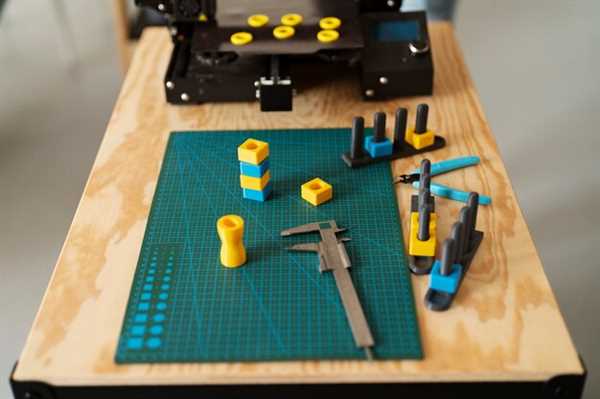
Custom fabrication enhances performance and reduces production time. Utilizing additive manufacturing allows engineers to create lightweight structures that maintain optimal strength. This process enables rapid prototyping, facilitating faster iterations and refinements of part geometry.
Material versatility expands possibilities for specialized components. Advanced polymers can withstand high temperatures, while metal alloys offer durability under extreme conditions. This selection supports both functional and aesthetic requirements demanded by racing applications.
Cost reduction is achievable, particularly for low-volume production. Traditional methods often involve substantial setup costs; however, additive techniques minimize waste and labor expenses. On-demand production eliminates inventory constraints, allowing teams to adapt quickly to evolving needs.
Customization achieves unique solutions tailored to specific vehicles. Complex geometries that were previously impractical become feasible, enhancing aerodynamic performance and overall efficiency. This adaptability fosters innovation in the design of parts that enhance speed and performance.
Collaboration across teams benefits from shared digital files, streamlining communication between designers and engineers. This integration accelerates the transition from concept to physical part, enabling teams to implement new ideas swiftly.
Testing capabilities improve through rapid iteration cycles. Engineers can produce multiple variants of a part in a short timeframe, allowing for comprehensive evaluation and optimization of performance parameters on the track.
Challenges and Limitations of 3D Printing for High-Performance Components
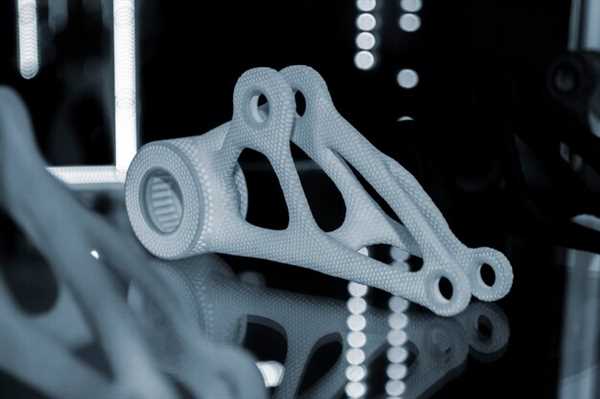
To ensure reliability and performance, engineers must assess the material properties used in additive manufacturing. Common plastics and metals may not possess the strength or heat resistance required for high-stress applications. Select advanced materials that can withstand extreme conditions without compromising structural integrity.
Inconsistent layer adhesion remains a challenge; defects in the build process can lead to weak points in the manufactured items. Conduct thorough inspections and non-destructive testing after production to identify potential failures before installation.
The production speed of 3D technologies can be slower than traditional methods for larger parts. Plan for longer lead times when using additive fabrication for essential elements in a high-performance setup.
Designing parts specifically for additive fabrication requires a shift in thinking. Some intricate geometries may be difficult or impossible to realize effectively. Utilize simulation software to explore feasible designs that capitalize on the unique capabilities of 3D processes.
Another limitation is the surface finish often produced. Post-processing steps may be necessary to achieve the desired aesthetic and functional characteristics. Factor in these additional operations into the overall production timeline and budget.
Lastly, certification and regulation compliance can pose obstacles. Many governing bodies have yet to establish clear guidelines for components produced through additive methods. Engaging with industry standards organizations early in the project can help navigate this challenge effectively.
Case Studies: Successful Integration of 3D Printing in Motorsports
One significant example is the collaboration between a prominent Formula 1 team and a 3D technology firm. This partnership led to the production of lightweight brake duct components, reducing overall vehicle weight and enhancing aerodynamics. The use of advanced materials resulted in parts that withstand extreme temperatures while maintaining structural integrity.
Another noteworthy case involved an endurance racing team that faced challenges with custom gearbox parts. By employing additive manufacturing, they created complex geometries, allowing for better lubrication paths. This innovation not only improved performance but also shortened lead times, enabling quick iterations during race weekends.
A motorcycle racing organization showcased the advantages of rapid prototyping. They developed a new fairing design that optimized airflow. This reduction in drag led to improved top speeds. Additionally, the team could adjust designs on-the-fly based on track conditions, demonstrating flexibility and responsiveness.
A notable application involved a rally team addressing concerns with weight distribution. Using 3D fabrication, they designed and produced new structural elements that contributed to better handling. The capacity to test multiple configurations in short periods streamlined their optimization processes.
In a niche category, a Formula E team adopted 3D methods to create replica parts for fan engagement and merchandising. This approach allowed them to produce limited edition items quickly and at a lower cost, while also contributing to their sustainability efforts by minimizing waste.