
Implementing sophisticated numerical analysis can elevate a racing team’s capabilities significantly. By leveraging comprehensive metrics, teams can identify patterns that directly correlate with vehicle dynamics and driver capabilities.
Utilizing advanced computational methods allows teams to refine each lap based on telemetry data and historical performance logs. For instance, adjusting tire pressure and aerodynamics during a race weekend based on real-time information can lead to substantial gains in speed and efficiency on the track.
Establishing a robust framework for data collection and interpretation not only optimizes vehicle settings but also enhances strategic decision-making during races. A clear focus on performance indicators enables teams to develop tailored strategies that account for their unique challenges and environments.
Utilizing Telemetry Data for Real-Time Decision Making in Racing
Implement predictive models that analyze telemetry inputs for instant strategy adjustments during races. For instance, tire temperature and pressure readings can help determine the optimal time for pit stops, tailoring decisions based on real-time vehicle conditions.
Monitor engine performance metrics, such as RPM and fuel consumption, to manage energy deployment effectively. This allows teams to optimize power usage during critical race phases, enhancing speed while conserving resources.
Integrate GPS tracking to assess track position and competitor movements. By evaluating lap times alongside racing lines, teams can identify opportunities for overtaking or adjusting defensive maneuvers against rivals.
Leverage feedback sensors reporting suspension dynamics to make immediate handling adjustments. This can dramatically affect cornering speeds, providing a competitive edge in tight races.
Utilize real-time data visualization tools to streamline communication between drivers and pit crews, ensuring concise updates on performance metrics and timely strategic modifications. This facilitates a proactive approach to changing track conditions or unforeseen challenges.
Analyze historical telemetry alongside live feeds to identify patterns and predict competitor behavior, which can inform race tactics such as aggressive overtaking or defensive driving strategies.
Predictive Analytics for Improving Vehicle Design and Performance
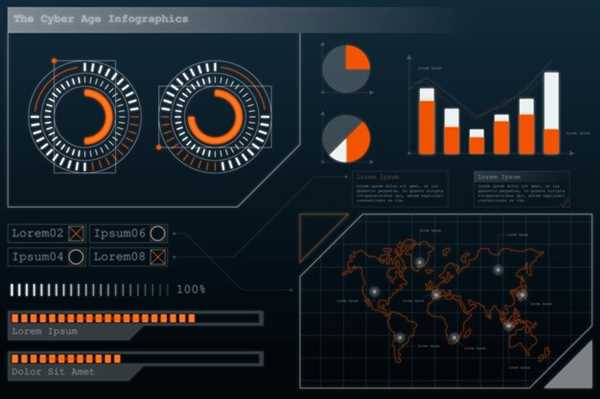
Employing simulations and advanced modeling techniques allows teams to refine vehicle specifications before the physical iterations occur. Utilizing virtual wind tunnel tests enables the examination of aerodynamics under various conditions, significantly reducing time and cost in the design phase.
The integration of sensor data from current vehicles aids in understanding performance metrics during tests and races. By analyzing this information, engineers identify critical areas for enhancement in suspension, weight distribution, and powertrain efficiency. For example, real-time telemetry data can reveal how minor adjustments in tire pressure will influence grip and cornering speed.
Incorporating machine learning algorithms into design processes optimizes components by predicting wear and tear, guiding manufacturers to select materials that improve durability while minimizing weight. This predictive approach can lead to significant advancements in longevity and reliability, directly affecting track performance.
Leveraging historical performance statistics to create predictive models allows teams to make informed decisions regarding strategies and setups for different circuits. Analyzing previous race outcomes and weather patterns helps forecast how vehicle adjustments will affect lap times under varying conditions.
Additionally, enhancing driver training programs through virtual simulations aids in developing reaction timing and situational awareness. Personalized feedback based on data-driven insights can lead to noticeable improvements in driving techniques, translating to faster lap times.
Establishing a feedback loop between design iterations and on-track performance generates continuous improvements. Post-race analysis provides crucial insights that validate or challenge design hypotheses, driving the iterative process of refining vehicle technology.
Investing in robust software that aggregates and analyzes performance metrics enhances decision-making and can yield significant competitive advantages. By adopting these strategies, teams can not only elevate their engineering processes but also secure a prominent position on the racetrack.
Impact of Data-driven Strategies on Team Strategy and Race Outcomes
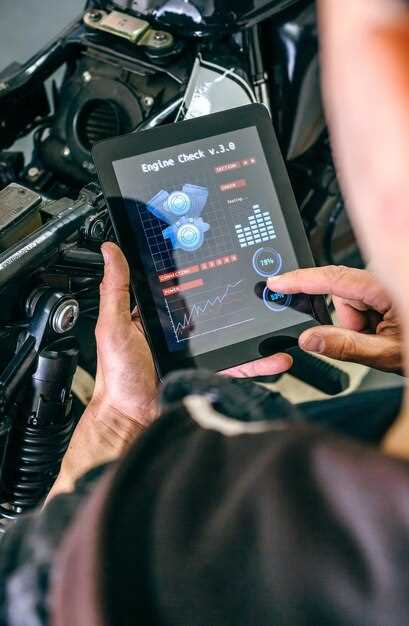
To bolster competitiveness, teams should leverage precise telemetry for real-time monitoring of vehicle behavior. This enables timely adjustments during races, enhancing tire management and fuel consumption.
Implementing predictive modeling can assist in strategic decision-making, such as pit stop timing and tire selection. By analyzing historical performance data, teams can anticipate track conditions, optimizing each lap’s execution.
Regularly reviewing performance metrics provides insights into driver strengths and weaknesses. Customizing training regimens based on this data ensures targeted improvement, resulting in better overall results in races.
Utilizing simulation tools allows teams to evaluate various race scenarios, leading to well-informed strategies. By understanding potential outcomes under different conditions, teams can minimize risks and react adeptly during critical moments.
Incorporating contextual analysis, such as competitor strategies and weather patterns, further refines team tactics. Preparing for various scenarios positions teams to capitalize on unexpected events during a race.
Collaboration between drivers and engineers is paramount. Establishing a feedback loop fosters a better understanding of vehicle dynamics, leading to more refined adjustments and enhanced race execution.
Finally, investing in post-race analysis can reveal patterns not immediately visible during live events. This continuous cycle of evaluation and adjustment propels teams to maintain an edge over their rivals.