
For achieving maximum efficiency in high-performance vehicles, consider switching to synthetic blends that enhance engine durability. These formulations minimize friction, allowing for smoother operation and better fuel economy during intense driving conditions.
Another highly regarded option is ester-based substances, known for their superior thermal stability and resistance to breakdown at extreme temperatures. Such offerings ensure that the engine maintains optimal performance levels, even under rigorous stress.
Always opt for products featuring additives that promote cleanliness. These additives help in reducing deposits and sludge build-up, significantly contributing to longevity and reliability. Regular checks and timely replacements can lead to noticeable improvements in handling and speed.
Incorporating specialty variations designed for specific types of racing, such as endurance or drag events, can yield tailored benefits. Each variant focuses on unique demands, ensuring that your vehicle remains competitive in its class.
Choosing the Right Engine Oil for High-Performance Vehicles
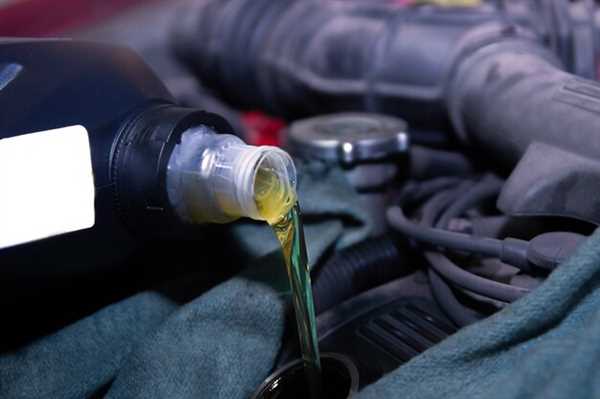
Select a fully synthetic product with a high viscosity index for optimal engine efficiency under extreme conditions. Look for 5W-40 or 10W-60 formulations, as they maintain consistency across a wide temperature range.
Examine the API (American Petroleum Institute) ratings; choose oils with a SN or SP classification for superior protection against wear while enhancing performance. Additionally, consider ACEA (European Automobile Manufacturers Association) specifications for engines demanding high standards.
Verify the oil’s compatibility with specific engine designs, especially for turbocharged or supercharged variants, which may require specialized formulations to prevent issues such as coking and thermal breakdown.
Consult manufacturer recommendations and service manuals; some high-performance engines may necessitate particular types of additives to maintain peak conditions. Look for oils enriched with ester-based additives, which can improve film strength and reduce friction.
Regular analysis of oil using laboratory testing can provide insights into wear rates and overall engine health, guiding changes for maintaining high efficiency in demanding situations.
Understanding the Role of Gear Oils in Racing Applications
Choose synthetic formulations with high Viscosity Index for superior thermal stability and reduced friction. These specially designed fluids minimize wear during high-stress conditions, promoting longer gear life and improved shifting performance.
Pay attention to the API GL ratings; GL-4 and GL-5 grades cater to different needs–GL-5 exhibits excellent protection for hypoid gears, while GL-4 is ideal for conventional gear systems. Select based on your drivetrain setup.
Consider additives like friction modifiers and extreme pressure agents. They enhance the performance of the base fluid, ensuring optimal contact between moving parts and reducing the risk of gear failure during extreme conditions.
Monitor temperature closely; excessive heat can degrade lubricants quickly. Utilizing coolers or other heat management solutions can prolong fluid life and maintain performance under aggressive driving.
Frequent fluid changes are advised, as contaminants accumulate over time, compromising lubrication effectiveness. Regular maintenance will support consistent performance and reliability on the track.
Key Features to Look for in Brake Fluids for Motorsports

Choose brake fluids with a high boiling point, ideally exceeding 300°C (572°F), to prevent vapor lock during high-performance conditions. This ensures consistent braking efficiency under extreme heat generated during racing.
Employ fluids with excellent wet boiling point ratings, as moisture absorption can lower performance. Seek fluids with a wet boiling point above 180°C (356°F) to maintain reliability throughout the race.
Check for compatibility with sealing materials. Premium products often contain additives that enhance the lifespan of seals and hoses, preventing leaks and system failures.
Evaluate viscosity. Fluids with appropriate viscosity grades provide optimal flow under varying temperatures, ensuring responsive braking action.
Opt for synthetic formulations. These typically offer better thermal stability and lower compressibility, translating to enhanced pedal feel and control.
Investigate formulations with corrosion inhibitors. This feature prolongs component life by protecting metal parts from oxidative damage.
Review manufacturer specifications. Top-tier race cars often have specific brake fluid requirements; adhering to these guidelines is crucial for safety and performance.