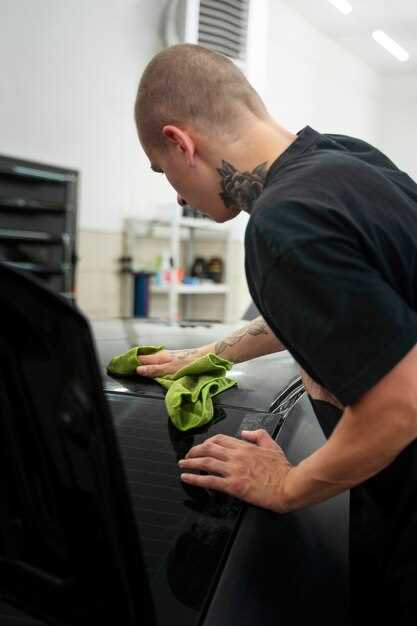
Use a pH-balanced shampoo specifically formulated for automotive surfaces to maintain the integrity of your vehicle’s paint while removing dirt and grime. A two-bucket wash system prevents contaminants from scratching the surface, ensuring a thorough clean without causing damage.
For tires, choose a dedicated tire cleaner that breaks down brake dust and road grime effectively. Apply it liberally, allowing it to dwell before scrubbing with a stiff brush for optimal results. This method not only cleans but also prepares the tires for protection products.
Invest in a high-quality clay bar to eliminate embedded contaminants from the paintwork. Regular usage can significantly enhance the smoothness and overall appearance of your car’s finish. Follow this with a ceramic coating or sealant to add a durable layer of protection against the elements.
Don’t overlook the interior; utilize a vacuum with varied attachments to reach every nook and cranny. Use microfiber towels and appropriate cleaners for surfaces like leather, plastic, and glass to keep them in pristine condition without risking damage.
Choosing the Right Products for High-Performance Paints
Select a pH-neutral car shampoo formulated to protect delicate finishes. Look for products containing carnauba wax for added shine and protection against UV rays.
Use clay bars designed specifically for automotive paints to remove embedded contaminants. This step ensures a smoother surface for subsequent applications.
Consider a polish that offers a balance between cutting power and finishing ability. Products with diminishing abrasives help eliminate swirls without risking clear coat damage.
Apply a ceramic coating for long-lasting protection. These coatings bond with the clear layer, offering resistance to chemicals, environmental factors, and minor scratches.
Finish with high-quality sealants to enhance gloss and longevity. Opt for formulations that provide hydrophobic properties, ensuring water beads off the surface effectively.
Step-by-Step Guide to Interior Detailing for Race Cars

Begin with removing all personal items, tools, and accessories from the cabin. Ensure a clear workspace for efficient access.
Utilize a vacuum with a crevice attachment to extract debris from seats, floor mats, and hard-to-reach areas. Focus on areas around the pedals and under the seats.
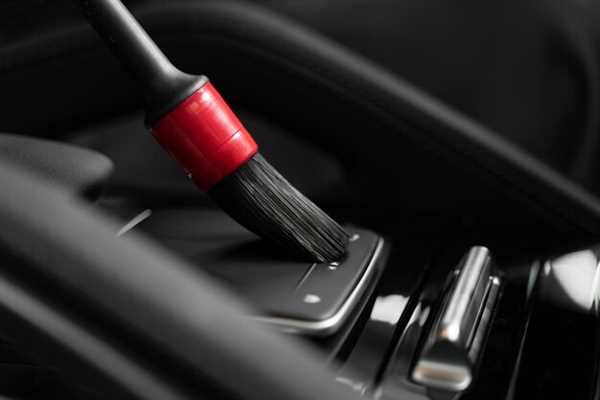
Employ a soft brush to tackle dust and grime from intricate surfaces, including vents and gauge clusters. This prevents scratching during the following procedures.
Mix a gentle cleaning solution compatible with the materials used in the cockpit. Test on an inconspicuous area to avoid unwanted reactions.
Apply the solution using a microfiber cloth, working systematically from top to bottom. This method prevents dirt from cascading onto cleaned surfaces.
Pay particular attention to steering wheels, shift knobs, and door panels, as these are high-contact areas. Use a soft-bristled toothbrush for textured surfaces to lift stubborn particles.
For upholstery, consider a fabric-specific cleaning product. Spray lightly, scrub gently, and blot excess moisture with a clean cloth.
For leather components, use a dedicated leather conditioner. This enhances appearance while preventing cracking and wear.
Ensure all surfaces are thoroughly dried to avoid moisture accumulation, which can lead to odors and mold.
Reinstall accessories and personal items only after confirming that all surfaces are clean and dry. This completes the transformation of the interior space.
Maintaining and Protecting Motorsport Wheels and Tires
Use a dedicated wheel cleaner with a pH-neutral formula to safely remove brake dust and grime. Apply the solution with a soft brush to reach intricate areas without scratching the surface.
After rinsing, apply a tire conditioner. This product helps prevent cracking and fading while providing a fresh appearance. Ensure the tires are clean and dry before application.
For added protection, consider a ceramic coating designed for wheels. This creates a shield against contaminants and simplifies future maintenance by enhancing water repellency.
Inspect the wheels regularly for any signs of damage, such as cracks or bends, especially after racing events. Address any issues immediately to prevent further complications.
Store tires in a cool, dark place when not in use. If possible, use tire covers to minimize exposure to sunlight and ozone, which can degrade rubber compounds over time.