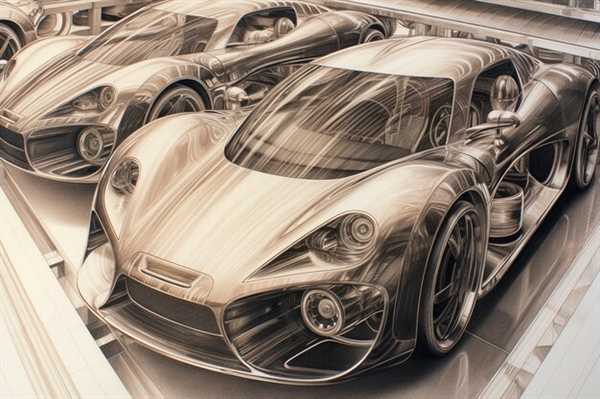
The automotive marvels featured in this article have not only captured the hearts of enthusiasts but have also set benchmarks in speed and design. Each model represents a pivotal point in automotive excellence, showcasing engineering feats that have left an unforgettable mark on competition. For those looking to understand the essence of performance, these masterpieces offer a glimpse into decisive moments of adrenaline, innovation, and victory.
Explore the dynamic contributions of these distinguished machines that have carved their place in the annals of competitive driving. From the roaring engines to the aerodynamic frames, these wonders are not just vehicles; they are legends etched in the memory of every passionate follower. Witnessing their journey through various circuits offers insights into the relentless pursuit of speed and supremacy.
Join us as we highlight these remarkable vehicles that have redefined what is possible on the track, transforming the way drivers and fans connect with the pursuit of excellence. With each turn and each lap, these champions have given rise to a culture of admiration and rivalry that continues to thrive today.
The Engineering Marvels Behind Legendary Race Cars

Examine the lightweight chassis of the McLaren F1, where advanced carbon fiber construction allows for reduced weight and enhanced aerodynamics, setting new standards in performance. The balance between power and weight is a key focus that many engineers strive to perfect, illustrated in the Ferrari 250 GTO’s design, where every curve serves a purpose in downforce and stability.
Consider the innovative powertrains of the Porsche 917, a blend of air-cooled flat-six and aerodynamics leading to supremacy in endurance events. This model’s capability to achieve remarkable speeds is due to meticulous engineering that emphasizes power-to-weight ratio, ultimately influencing future designs in competitive machines.
The engineering genius behind the Lotus 79 introduced ground effects technology, transforming the approach to aerodynamics in race vehicles. By utilizing venturi tunnels, this masterpiece achieved unprecedented grip, reshaping how teams developed subsequent models. This clear demonstration of ingenuity paved the way for advancements in downforce strategies that are still relevant today.
Examine the Audi Quattro, which revolutionized all-wheel-drive systems for rally courses. Its turbocharged inline-five engine and chassis innovations provided unmatched traction on various terrains, turning the tides in competition. This vehicle’s engineering reflects the blend of high-performance mechanics with versatility.
Referencing the Toyota TS050 Hybrid at Le Mans, where hybrid technology combined combustion engines with electric motors, showcases a forward-thinking approach. Engineers meticulously crafted this synergy, resulting in both speed and efficiency, highlighting its contribution to the evolution of competitive formats.
How Iconic Cars Revolutionized Automotive Technology in Racing
Examine the profound impact of legendary vehicles on engineering advancements. These remarkable machines introduced innovations that shaped the future of speed and performance.
- Aerodynamics: The introduction of streamlined shapes reduced drag significantly. For instance, the Porsche 917 featured a design that enhanced downforce, allowing for higher cornering speeds.
- Materials: Lightweight composites were pioneered by manufacturers like McLaren. The F1’s carbon fiber chassis not only reduced weight but also improved safety and rigidity.
- Powertrains: Turbocharging became prevalent with models like the Buick Regal GNX, offering greater power without a significant weight increase. This technology paved the way for modern performance engines.
- Suspension Systems: Advanced setups, as seen in the Lotus 79, made use of ground effect technology, allowing cars to achieve unprecedented grip and stability.
- Electronic Systems: The integration of telemetry and data acquisition systems allowed teams to analyze performance in real-time, as demonstrated in the Ferrari F2004, enhancing strategy and execution during races.
These formidable vehicles not only dominated tracks but also propelled automotive technology forward, creating a foundation for future developments and impacting everyday vehicles. Their legacy remains visible in today’s competitive arena, where advancements from these machines continue to influence design and functionality.
The Impact of Motorsport Icons on Modern Vehicle Design

Analyze the designs of vehicles such as the Ferrari 250 GTO or the Porsche 917. Their aerodynamic shapes and lightweight materials set benchmarks for efficiency and performance in contemporary models.
Legends like the Ford GT40 introduced innovative engineering solutions, which continue to influence today’s supercars. The emphasis on power-to-weight ratio and handling remains a foundational principle.
Examine the influences of race-bred technology on consumer vehicles. Features like turbocharging and advanced suspension systems, initially developed for the track, are now commonplace in production models.
Traits from historical machines–distinctive aesthetics and purposeful designs–have been adapted by manufacturers to create brand identity and appeal. The aesthetic choices are informed by functionality, connecting form with performance.
Moreover, elements such as lightweight composites, active aerodynamics, and hybrid powertrains are direct results from technical advancements in competitive environments. These innovations enhance efficiency and sustainability without sacrificing speed or responsiveness.
Incorporating lessons from these legendary vehicles helps engineers address modern challenges, such as fuel efficiency and emissions standards, while retaining exhilarating driving experiences.
As competition evolves, the legacy of these remarkable vehicles inspires ongoing innovation. Embrace the most effective practices and philosophies established by the champions of the past to inform the progression of future designs.