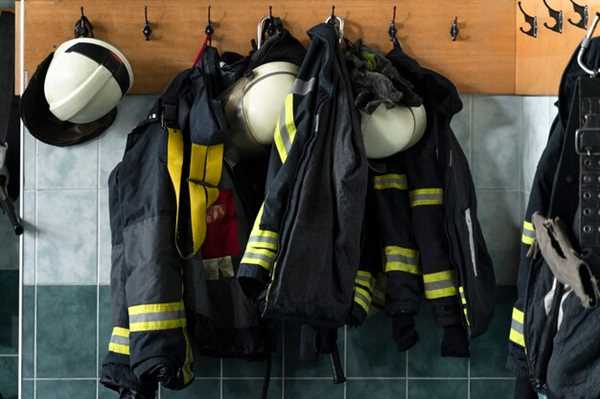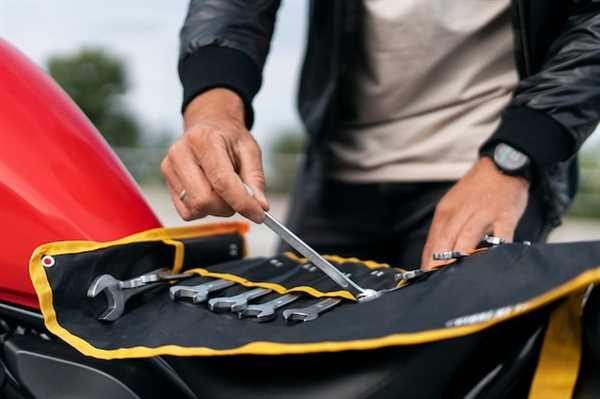
Regular drills for all personnel can significantly reduce risks associated with high-speed competitions. Ensure that each team member understands their role during a crisis, from medical response to evacuation procedures. Routine rehearsals help in identifying potential pitfalls and sharpening the reflexes necessary when seconds count.
Equip the area with high-quality safety gear, including fire extinguishers, medical supplies, and barriers. Regular inspections guarantee that these resources are up to date and operational. The presence of a fully equipped medical team onsite minimizes response time in cases of injury, fortifying the overall security of the gathering.
Establish clear communication protocols among officials, teams, and emergency services. A dedicated radio channel can facilitate quick information exchange, critical for alerting all parties to any unfolding situation. Consider utilizing visual signals or markers to guide communication, ensuring everyone remains coordinated during crucial moments.
Conduct thorough checks on all vehicles and equipment before they hit the track. Regular maintenance and compliance with safety regulations are paramount. Each participant should undergo a safety briefing to discuss rules, potential risks, and the importance of maintaining focus during the action, further enhancing protective measures in this thrilling arena.
Assessing Risks and Potential Emergencies on the Track
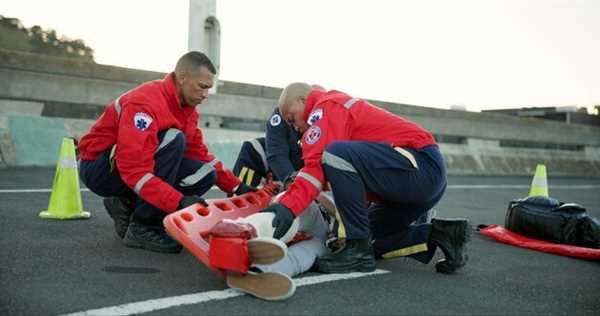
Identify high-risk areas, such as sharp turns or elevation changes, and focus on cornering speeds that may lead to incidents. Conduct a thorough analysis of track conditions, including weather impacts like rain or fog, which can compromise visibility and grip.
Evaluate the likelihood of mechanical failures, such as brake issues or tire blowouts, that can endanger drivers and crews. Ensure every vehicle is subjected to rigorous pre-competition checks to mitigate these risks.
Develop clear communication protocols for all teams, ensuring everyone understands emergency signals and response actions. Regularly practice scenarios with all involved parties to foster preparedness.
Implement a well-defined evacuation plan, highlighting safe routes and assembly points for personnel in case of an incident. Regularly audit these plans to maintain their relevance against evolving risks.
Set up efficient medical stations around the track, equipped to handle various types of injuries swiftly. Ensure that medical staff is adequately trained and that emergency vehicles are strategically positioned for rapid response.
Monitor changing conditions continuously and adjust safety measures accordingly. A proactive approach to risk management will enhance safety and reduce the potential for emergencies during a competition.
Developing an Emergency Response Plan for Motorsport Teams
Identify critical roles within the crew, assigning specific tasks to each member. Establish a communication protocol to ensure that information flows quickly and accurately during a situation.
Conduct regular training sessions, simulating various scenarios such as accidents or vehicle malfunctions. This prep work will help staff respond calmly and efficiently in real-life situations.
Designate clear evacuation routes and safe zones for both crew and spectators. Clearly mark these areas and ensure they’re easily accessible.
Implement a first aid kit checklist tailored to the unique needs of the racing environment. Ensure that personnel are trained in basic first aid and CPR techniques.
Collaborate with local emergency services to create a coordinated response strategy. Schedule joint drills to familiarize everyone with procedures and contact points.
Maintain an inventory of safety equipment, such as fire extinguishers and medical supplies, and ensure regular inspections and replacements. This will guarantee readiness at all times.
Document all incidents meticulously to analyze response efficacy and improve future plans. Regularly review and update the response strategy based on lessons learned.
Ensure that each team member understands the importance of their role in maintaining safety during the competitions. Foster a culture of vigilance and preparedness.
Training Staff and Drivers for Crisis Situations
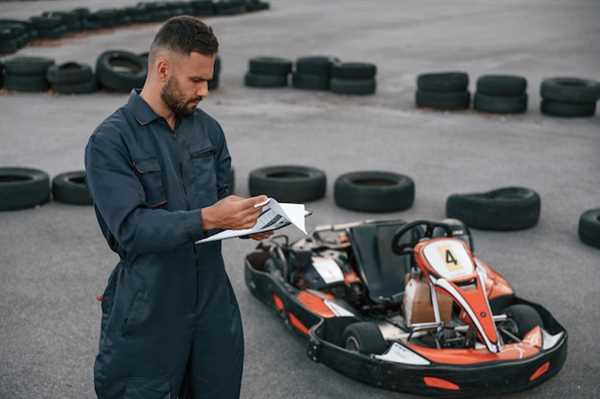
Conduct regular simulations covering various scenarios, such as fire outbreaks, vehicle collisions, and medical emergencies. Involve all personnel, including first responders, track officials, and drivers, to ensure coordinated responses.
Drill specific roles for each team member, clarifying responsibilities during incidents. This minimizes confusion and enhances reaction times when real situations arise.
Utilize checklists that outline safety protocols and emergency contacts, ensuring everyone has access to critical information at their fingertips.
Organize workshops focusing on mental preparedness, enabling staff and drivers to maintain composure under pressure. Encourage discussions about anxiety management and decision-making strategies during unexpected situations.
Incorporate hands-on training with safety equipment, including fire extinguishers and medical kits. Familiarity with these tools ensures swift action when necessary.
Evaluate training effectiveness through post-simulation reviews. Discuss what worked, what didn’t, and how to improve processes for future incidents.
Engage with local emergency services for joint training exercises, fostering a collaborative relationship and understanding each other’s operations.
Continuously update training materials in line with new regulations and best practices, keeping everyone informed of the latest safety protocols and emergency measures.