One of the most impactful changes you can make is investing in a high-quality suspension system. Adjustable coilovers allow for fine-tuning ride height and damping, providing better handling on both track and road. This modification significantly improves traction during corners and enhances the overall stability of your vehicle.
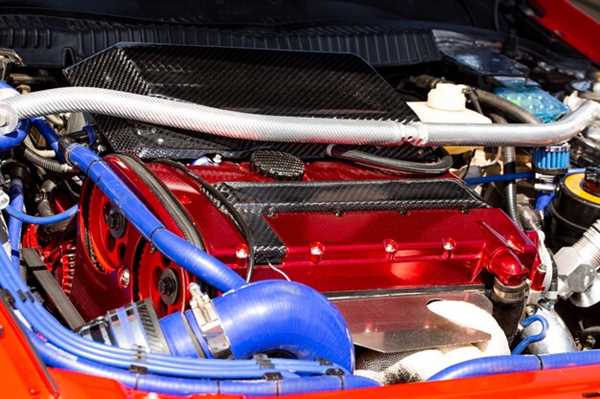
Aside from suspension, optimizing airflow through your engine is crucial. Consider upgrading your intake system to a high-performance air intake. A well-designed intake will increase air volume, resulting in a more efficient combustion process. Pairing this with a performance exhaust not only improves engine output but also gives your vehicle an aggressive sound that reflects its enhanced capabilities.
Don’t overlook the importance of weight reduction. Incorporating lightweight materials such as carbon fiber or aluminum can drastically lower the overall mass of your machine. This reduction boosts acceleration and braking efficiency, making your setup more agile and responsive on the track.
Additionally, upgrading to high-performance brakes is essential. Larger rotors and multi-piston calipers deliver superior stopping power, which is critical during competitive driving. Make sure to choose pads that withstand high temperatures without fading, ensuring consistent braking performance during intense sessions.
Lastly, consider tuning your engine with aftermarket ECU software. A tailored tune can optimize fuel mapping and ignition timing, unlocking additional horsepower and torque while maintaining reliability. This adjustment allows your engine to perform at its best under various driving conditions.
Turbocharger and Supercharger Installation: Boosting Power Output

Installing a turbocharger or supercharger can significantly enhance engine output. For forced induction installation, first, evaluate the compressor type matching your motor’s specifications and intended use. A turbocharger utilizes exhaust gases, while a supercharger draws power directly from the engine, each offering distinct characteristics.
Begin with a comprehensive evaluation of your engine’s internal components. Using high-quality forged pistons and connecting rods can withstand increased boost levels. Reinforcing the fuel system is paramount; consider upgrading fuel injectors and pumps to enhance flow and pressure, ensuring optimal fuel delivery under increased demands.
Next, enhance engine airflow by incorporating a performance intercooler. This component cools the compressed air from the turbocharger or supercharger, increasing density and power potential. Pay attention to the intake and exhaust systems; high-flow headers and exhaust can dramatically improve efficiency and reduce backpressure.
Invest in an appropriate engine management system to calibrate air-fuel ratios dynamically, ensuring the engine runs smoothly. Many controllers offer tuning capabilities, allowing adjustments based on modifications made.
Finally, diligently monitor engine temperatures, as forced induction generates additional heat. Adding an oil cooler or upgrading the radiator can mitigate overheating issues. With thoughtful selection and installation of these modifications, a significant boost in horsepower and torque is achievable.
Upgrading Suspension Systems for Improved Handling and Stability
Installing coilover kits allows for adjustable ride height and dampening, enabling precise tuning based on track conditions. This mod enhances cornering abilities and reduces body roll, contributing to superior grip during maneuvers.
Upgrading sway bars increases stiffness, minimizing lateral movement and enhancing overall balance. Consider adjustable options to fine-tune your setup based on driving style and circuit characteristics.
Upgraded shock absorbers, particularly those with remote reservoirs, improve heat dissipation and provide consistent damping performance under heavy use, crucial for maintaining control in high-speed scenarios.
Replacing stock bushings with polyurethane alternatives enhances responsiveness and minimizes deflection, leading to better communication with the road. This change significantly influences steering feel and cornering stability.
Incorporating performance springs alongside other changes helps maintain proper ride heights and optimizes weight distribution, contributing to a more controlled driving experience during high-speed turns.
Don’t overlook the benefits of reinforcing chassis components. Adding strut braces or underbody bracing kits enhances structural integrity, reducing flex during aggressive driving and improving feedback through the steering wheel.
Regularly inspecting and maintaining suspension components prevents degradation over time. Keeping an eye on wear and tear ensures that the car remains responsive and predictable, which is crucial in competitive environments.
High-Performance Brake Kits: Enhancing Stopping Power in Racing Conditions

Investing in a high-quality brake kit significantly elevates stopping ability under extreme conditions. Here are key components to consider:
- Rotors: Opt for larger, slotted or drilled rotors. These designs eliminate brake fade by improving heat dissipation and enhance grip.
- Pads: Choose high-friction compounds that perform well at elevated temperatures, providing consistent bite during rigorous driving.
- Calipers: Upgrade to multi-piston calipers. The increased surface area results in improved braking modulation and reduced pedal effort.
- Lines: Stainless steel braided brake lines prevent pressure loss during heavy braking, offering a firmer pedal feel.
- Fluid: Use high-temperature brake fluid to withstand the heat generated during racing, preventing vapor lock and maintaining system integrity.
Integrating these components not only enhances overall handling but also ensures that drivers maintain control and stability when approaching corners at high speed.
Regularly inspect and maintain these systems to ensure optimal performance, particularly before competitive events. Performance monitoring tools can assist in identifying wear patterns and allowing timely replacements. This proactive approach maximizes safety and racing efficacy.