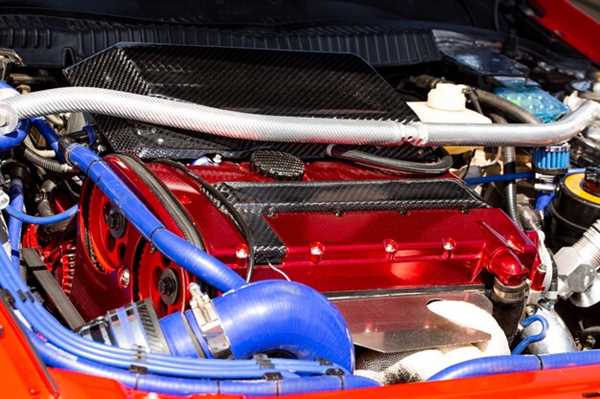
To significantly increase output in racing applications, focus on optimizing air intake and exhaust systems. Utilizing high-performance air filters and exhaust headers can lead to considerable improvements in engine breathing, enhancing overall efficiency and power delivery.
Investing in a quality engine management system allows for precise tuning, which can extract maximum potential from your setup. By adjusting fuel mixtures and ignition timing, you can tailor the engine’s response to meet specific racing conditions, ensuring that every ounce of power is harnessed effectively.
Consider upgrading internal components such as pistons, camshafts, and crankshafts, which can enhance strength and performance capabilities. Lightweight materials not only improve responsiveness but also contribute to better acceleration dynamics on the track.
A meticulous attention to detail in engine cooling systems is essential; a high-performance radiator and oil cooler help maintain optimal operating temperatures, preventing power loss during rigorous conditions. Coupling these upgrades with a carefully optimized gear ratio can result in an impressive balance between speed and throttle response, leading to a competitive edge.
Advanced Engine Tuning Techniques for Maximum Output
Utilize a high-performance ECU remap to optimize fuel-air mixture and ignition timing. This adjustment can significantly enhance engine response and efficiency.
Implement a cold air intake system to improve airflow into the engine, yielding a denser air-fuel mixture that supports superior combustion.
Consider upgrading the exhaust system, focusing on headers and high-flow catalytic converters to reduce back pressure and enhance exhaust flow. This change enables the engine to expel gases more efficiently, resulting in increased power.
Rebalance engine internals by replacing stock parts with lightweight alternatives. Components like pistons, crankshafts, and connecting rods influence rotating mass, thereby enhancing acceleration and throttle response.
Experiment with variable valve timing (VVT) systems to refine valve lift and duration. Adjustments to VVT can improve torque and power across varying RPM ranges.
Incorporate high-performance fuel injectors to ensure optimal fuel delivery under varying engine loads. This fine-tuning allows for better performance at higher RPMs.
Consider installing an aftermarket turbocharger or supercharger. Forced induction systems significantly elevate air density, contributing to substantial power gains while maintaining engine reliability.
Utilize engine dynamometers to evaluate tuning changes. Collecting precise data allows for informed adjustments, ensuring that modifications achieve the desired output.
Adjust the engine’s compression ratio by utilizing performance pistons or machining the cylinder head. A higher compression ratio facilitates a more powerful combustion process.
Implement a robust cooling system to manage increased thermal load from performance enhancements. High-quality radiators and intercoolers will help maintain optimal operating temperatures.
Choosing the Right Performance Parts for Enhanced Horsepower
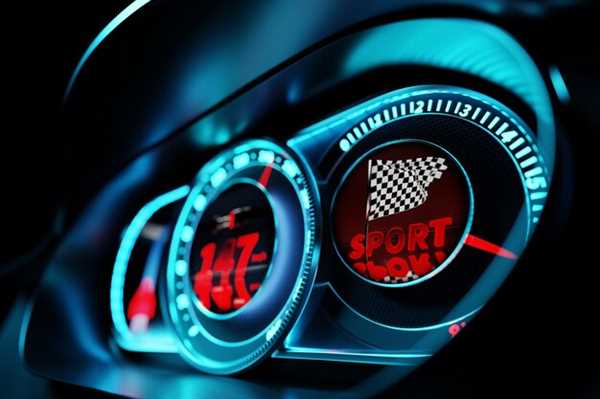
Selecting appropriate components is critical for increasing engine output. Focus on these key areas:
- Cold Air Intake: Upgrading to a cold air intake can improve airflow into the engine, enhancing combustion efficiency and increasing power.
- Exhaust System: A high-performance exhaust system reduces back pressure, allowing exhaust gases to exit more freely. This helps improve engine breathing and can lead to a noticeable gain in power.
- ECU Remapping: Tuning the engine’s control unit can optimize fuel and ignition settings, resulting in improved performance metrics.
- Performance Camshaft: Replacing the camshaft can significantly affect the timing and duration of valve openings, allowing for better airflow and increased output.
- High-Performance Fuel System: Upgrading fuel injectors and fuel pumps ensures that the engine receives the right amount of fuel under all conditions, maximizing energy production.
Consider compatibility and intended use when choosing parts. Each upgrade should align with your specific goals, whether it’s track racing or street use.
Thorough research on brand reliability and user reviews can aid in making informed decisions.
Measuring and Testing Horsepower Gains in Motorsport Vehicles

Utilize a dynamometer to accurately assess any enhancements in engine output after modifications. Ensure the setup is calibrated properly to avoid discrepancies in readings.
Conduct tests in consistent environmental conditions to minimize variables that could influence results. This includes temperature, humidity, and altitude. Repeating tests on different days can provide insight into variations.
Employ a chassis dynamometer for real-world performance analysis, as it simulates driving conditions more accurately than an engine dynamometer. Capture both static and dynamic data for thorough evaluations.
Monitor RPM and torque curves closely during testing. A power band graph can highlight not only peak horsepower but also mid-range gains that may enhance driveability.
Ensure that any additional components, such as exhaust systems or intake modifications, are integrated into the testing process. Each element contributes to total engine output and should be evaluated in tandem.
Data logging during runs is essential. Use advanced telemetry systems to capture real-time information, allowing for detailed analysis post-testing.
Benchmark against previous performance metrics to clearly understand the impact of tuning adjustments. Establish a specific baseline before modifications to compare gains effectively.
Incorporate feedback from the driver during track testing to assess how changes affect handling and acceleration. Driver experience can provide insight that raw data may overlook.
Evaluate performance under different load conditions to determine reliability and performance continuity. Testing under various scenarios ensures that enhancements are sustainable and effective across a range of operational conditions.