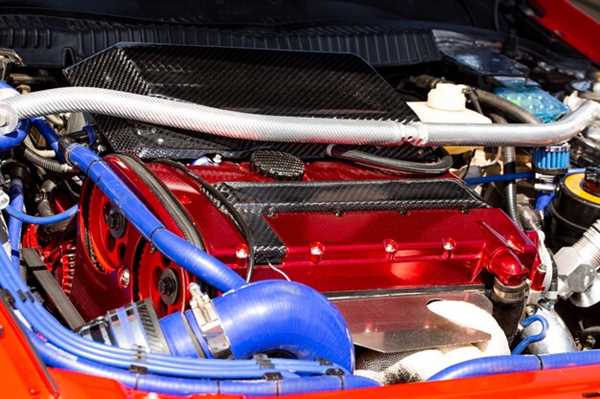
Consider equipping your race car with a high-quality forced induction system to achieve significant gains in horsepower and torque. A well-chosen unit can provide a substantial boost, transforming your machine into a competitive contender on the track.
Prioritize compatibility with your engine’s design and intended use. Selecting a variant that aligns with your power goals is crucial. Ensure your choice accommodates the desired boost levels while maintaining reliability. Consult with specialists to find a system that complements your tuning strategy and driving style.
Pay attention to exhaust routing and placement, as these elements are key to optimizing airflow. Utilizing modern materials can reduce weight without compromising strength. Additionally, review intercooler options carefully; effective temperature management leads to enhanced efficiency and longevity.
Ultimately, focus on an integrated approach that takes into account fueling, electronic management, and mechanical enhancements, ensuring seamless operation and maximum effectiveness during high-performance scenarios.
Choosing the Right Turbocharger for Your Motorsport Application

Select a unit according to the engine’s displacement and desired power output. Bigger engines often require larger units, while smaller motors benefit from compact designs.
Consider the application: drift, drag, or road racing each demand different characteristics. For example, a quick-spooling unit enhances acceleration in drift applications, while high-end power is ideal for drag racing.
Assess the compressor and turbine wheel size. A larger compressor wheel can move more air, but may sacrifice spool time. Match the configuration to your racing style for optimal results.
Review the boost pressure requirements. Operating within acceptable limits ensures reliability. Aim for a boost that complements the engine’s native characteristics without overwhelming it.
Evaluate the materials used in the unit’s construction. Lightweight, high-strength alloys increase durability and reduce unwanted weight. This combination enhances both speed and handling.
Investigate aftermarket support and compatibility. Choose brands with a reputation for quality and availability of replacement parts. This simplifies maintenance and adjustments during the racing season.
Finally, consult with fellow racers and professionals. Personal experiences can yield invaluable insights into which units deliver the best results in real-world scenarios.
Step-by-Step Installation Guide for Turbochargers in Race Cars
Gather all necessary parts: compressor housing, turbine housing, oil lines, and intercooler. Ensure compatibility with your engine model. You may need upgraded fuel injectors and a performance ECU.
First, disconnect the battery to prevent any electrical issues. Remove existing intake and exhaust components as required. This creates space and allows for a clean setup.
Position the new component. Align it with existing mounting points. Use high-temperature gaskets between the exhaust manifold and the turbine housing to prevent leaks.
Install an oil feed line to ensure proper lubrication. Attach the oil drain line, ensuring it routes back into the oil pan without sharp angles. Check for any potential blockages.
Connect the intake side. Use silicone couplers and clamps to secure the intake pipe and compressor housing. Verify the tightness of these connections.
For the intercooler, position it in front of the radiator for optimal airflow. Connect charge pipes between the compressor and the intercooler, then to the intake manifold. Seal all connections tightly.
Upgrade the fuel system accordingly. Larger injectors will provide the necessary fuel supply. Adjust the fuel pressure regulator to accommodate higher flow rates.
Install an upgraded ECU or recalibrate the existing one. Tune it to ensure the vehicle operates within safe parameters after the enhancements.
Reconnect the battery. Starting the engine requires vigilance. Monitor oil pressure and listen for any unusual noises that may indicate installation issues.
After a successful start, perform a thorough test drive. Look for any signs of performance issues or leaks. Fine-tune the system as necessary for optimal results.
Tuning Your Engine After Turbocharger Installation for Optimal Performance
Adjust the air-fuel mixture to 12.5:1 for maximum power output, using a wideband oxygen sensor to monitor ratios accurately. Ensure your ECU is re-mapped to accommodate increased air intake without causing lean conditions.
Upgrade fuel injectors to higher flow rates, typically 30% greater than stock, to maintain adequate fuel supply under boost. Consider a high-flow fuel pump for sustained performance during high-demand situations.
Implement an efficient intercooler to reduce intake temperatures. Look for options with larger cores and improved airflow characteristics to minimize heat soak and enhance performance during extended runs.
Enhance ignition timing by advancing it slightly post-installation. A tune on a dynamometer can help determine the optimal timing under boost conditions, maximizing power and ensuring engine safety.
Consider upgrading the exhaust system for reduced back pressure. 3-inch turbo-back systems are popular, providing better exit flow and tonal improvements, which can further enhance performance.
Check and replace the intake manifold if necessary. Upgraded options can smooth airflow and improve throttle response, significantly influencing overall efficiency and power gain.
Install a boost controller to manage the turbo’s output effectively. Electronic or manual boosters allow you to fine-tune pressure levels, maintaining a balance between power and reliability.
Regularly monitor boost levels with a gauge to identify leaks, which can diminish power. Ensure all clamps and hoses are secure to prevent loss of boost pressure and optimize performance consistently.