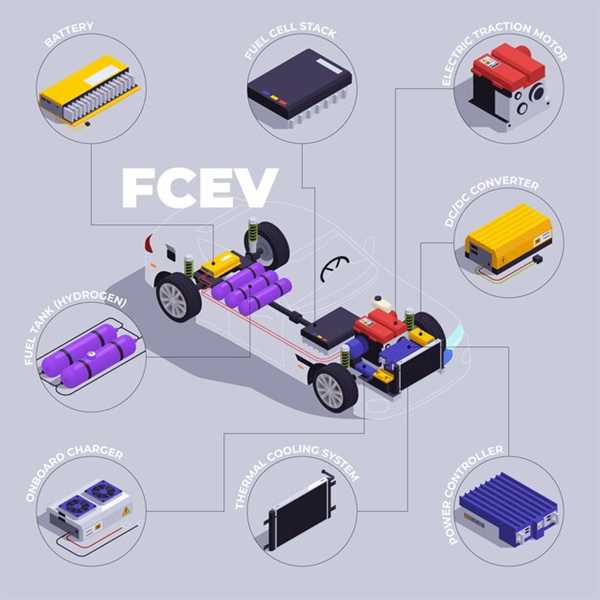
To truly appreciate the evolution of racing vehicles, one must acknowledge the strides made in engineering and design since the late 20th century. Innovations such as hybrid powertrains and advanced aerodynamics are now fundamental elements in competitive racing, significantly improving performance and sustainability.
The integration of data analytics is reshaping how teams approach strategy on and off the track. Real-time telemetry allows for immediate feedback during races, enabling teams to optimize tire management and fuel usage effectively. This modern approach, when compared to practices of the past, showcases a shift from intuition-based decisions to data-driven insights.
In addition, safety advancements, like the halo device and improved crash structures, have drastically reduced the risk of injury for drivers. Remembering the tragic history of the sport makes these innovations even more significant, highlighting the importance of prioritizing safety alongside speed and performance improvements.
Impact of Hybrid Powertrains on Race Performance
The integration of hybrid powertrains significantly alters race dynamics, providing teams with advantages that were unthinkable in previous eras. These systems combine traditional internal combustion engines with electric motors, enhancing both power output and torque delivery. This evolution directly impacts lap times and vehicle handling.
Power management strategies in hybrid systems allow drivers to optimize energy usage throughout a race. For instance, regenerative braking systems convert kinetic energy back into electrical energy, reducing fuel consumption and allowing for longer stints without refueling. The historical reliance on pure combustion engines limited strategic flexibility; now, teams can adjust their race strategies in real-time based on energy levels.
Furthermore, the lightweight design of hybrid components–such as batteries and motors–contributes to improved handling characteristics. This modern engineering allows vehicles to achieve better weight distribution, enhancing cornering speeds. Competing designs have resulted in remarkable advancements in aerodynamics and chassis development, allowing for higher performance thresholds.
In competitive environments, the effectiveness of hybrid technologies also extends to tire management. By finely tuning power delivery, racers can minimize tire wear, maintaining grip over longer periods. This leads to a sustained competitive edge over traditional powertrains, aligning perfectly with the demands of racing strategies.
Statistical analysis illustrates that hybrid vehicles have consistently outperformed their purely combustion counterparts in recent races, showcasing the practical implications of this evolution. The historical shift towards hybrid engines marks a new chapter for racing disciplines, reflecting broader automotive trends towards sustainability while maximizing speed and efficiency.
Data Analytics and Its Role in Driver Strategy
The integration of data analytics into racing strategies has transformed how teams approach competitions. Analyzing telemetry data allows engineers to fine-tune car performance in real-time, adjusting elements such as tire pressure, suspension settings, and fuel strategies based on current track conditions and driver feedback.
Utilizing predictive modeling can enhance decision-making during races. Teams can forecast potential outcomes by processing historical lap times, pit stop efficiency, and competitor behavior, allowing for strategic planning that maximizes lap performance. For example, by identifying patterns in tire degradation, teams can determine optimal pit windows to minimize time loss.
Driver feedback, combined with data analytics, creates a comprehensive approach to performance optimization. Real-time analysis of G-forces, braking patterns, and acceleration rates aids drivers in refining their techniques. Incorporating these insights enables drivers to adapt their racing styles according to varying circuit demands.
Historical data serves as a critical component for developing competitive strategies during pre-race analysis. By studying past races, teams can identify successful tactics and adapt them to current conditions, increasing their likelihood of victory. Furthermore, understanding competitors’ strategies through data analysis provides an edge, revealing strengths and weaknesses that can be exploited during races.
In essence, the fusion of modern data analysis with driving strategies aligns closely with the evolving narrative of competitive racing, paving the way for innovative approaches that not only enhance performance but also shape the future of the sport.
Advancements in Safety Features for Competitive Racing

Implementing advanced head and neck safety devices has become standard to protect drivers from severe injuries during crashes. These systems, designed to minimize whiplash effects, are now mandatory in various racing series.
The introduction of reinforced cockpit structures enhances driver protection significantly. Modern race cars undergo stringent testing to improve crash resistance, ensuring that the driver is shielded from impact forces.
Fire-resistant materials in race suits and helmets have evolved substantially. Today’s gear incorporates advanced textiles that extend the time drivers can survive in a fire, a pivotal factor following high-speed incidents.
Technological innovations in telemetry provide real-time data to teams, enabling quick analysis of driver performance and well-being. This data can alert pit crews to any abnormalities in driver behavior, potentially indicating distress.
Racing circuits now feature improved barriers and safety zones, developed with cutting-edge materials to absorb impacts. These enhancements significantly lower the risk of cars breaching barriers during collisions.
Collaboration between racing organizations and automotive manufacturers has led to breakthroughs in safety research. Continuous testing and refinement of safety features are crucial to adapt to new challenges and maintain peak driver protection.
With the advent of virtual reality simulations, drivers can train in various scenarios, enhancing their preparedness for real-life emergency situations. This modern training method contributes to faster reflexes and better decision-making under pressure.