To truly appreciate 1 racing, it’s essential to explore its evolution and the remarkable milestones that shaped its trajectory. Beginning in the post-World War II era, this sport emerged from a passion for speed and competition, quickly capturing the imagination of enthusiasts worldwide.
In 1950, the inaugural season introduced a new era of motorsport, featuring iconic teams and legendary drivers. The 1950 British Grand Prix marked a significant starting point, setting the stage for future competitions characterized by fierce rivalries and technological advancements. This foundation laid the groundwork for an illustrious saga, where innovation and strategy became as critical as raw talent.
Fast forward to the modern-day spectacle, where races have transformed into global events, attracting millions of viewers and substantial investments. The integration of cutting-edge technology and data analytics has changed team dynamics and race strategies, ensuring that every lap is a calculated maneuver in pursuit of supremacy on the track. Understanding this progression provides valuable insight into not just the sport itself but also the cultural impact it wields across nations.
Key Milestones in Formula 1: From 1950 to the Present
The inaugural season of the FIA’s premier single-seater competition took place in 1950, with the first Grand Prix held at Silverstone. Giuseppe Farina became the first champion, driving for Alfa Romeo.
In 1954, Mercedes made a significant impact by returning to motorsport with a dominant W196 model, securing championships in both 1954 and 1955 with drivers Juan Manuel Fangio and Jean Behra.
The introduction of the rear-engine car in the early 1960s transformed vehicle design. Lotus revolutionized the field with the Type 25, leading to Jim Clark’s 1963 title.
Safety advancements emerged in the 1970s following several tragic incidents, prompting the establishment of stricter regulations regarding track design and car safety features, highlighted by the tragic loss of the great Ayrton Senna in 1994.
The 1980s witnessed technology integration with the rise of turbocharged engines, as seen in the dominance of McLaren and their drivers, including Niki Lauda and Alain Prost. This period showcased a technological arms race among constructors.
Entering the 1990s, the advent of electronic aids, such as traction control, redefined vehicle dynamics, enhancing performance dramatically.
In 2000, Michael Schumacher began a dominant era with Ferrari, clinching five consecutive titles from 2000 to 2004, setting numerous records.
The hybrid power units introduced in 2014 redefined performance parameters, prioritizing efficiency and sustainability, showcasing a newfound focus on eco-friendliness in motorsport.
In 2020, the global pandemic led to an unprecedented calendar shakeup, highlighting the sport’s adaptability amidst crisis while returning with safety protocols in place.
Recent years have spotlighted the sport’s commitment to diversity and inclusion, with initiatives aimed at promoting female participation and equitable representation across all levels.
Technological Innovations That Shaped Formula 1 Racing
Incorporate hybrid power units as seamlessly as possible. The advent of these systems in 2014 combined electric and traditional engines, enhancing performance while minimizing emissions. Efficient energy recovery systems have also emerged, powering cars during critical moments while contributing to sustainability.
Focus on aerodynamics by employing computational fluid dynamics (CFD) to refine car shapes. This technology allows for precise modeling of airflow around vehicles, thereby reducing drag and increasing downforce. The use of wind tunnels remains vital, but CFD has significantly reduced costs and time in development.
Adaptive suspension systems have transformed handling dynamics. These systems adjust to track conditions in real-time, enhancing grip and stability. A two-way communication between car sensors and computer algorithms optimizes performance instantly, allowing drivers to maintain control under various circumstances.
Explore lightweight materials such as carbon fiber, which have revolutionized chassis construction. The introduction of this composite reduced weight without sacrificing strength, resulting in faster lap times and improved safety standards across the board.
Data analytics has become indispensable; telemetry systems transmit real-time information from the car to the pit crew. This data informs tire management, fuel strategies, and technical adjustments during races. Insights drawn from extensive historical data enhance decision-making strategies during competitions.
Embrace tire technology advancements. Manufacturers continuously refine rubber compounds, optimizing grip, durability, and thermal management. The development of Pirelli’s tire strategies has introduced variability in race tactics, enabling teams to adapt their approaches based on conditions.
Lastly, autonomous technologies are on the horizon. Research into driver assistance systems may influence future designs, ensuring safety while pushing competitive limits. Exploring artificial intelligence’s role in simulation and team strategy may radically alter preparation methodologies.
The Evolution of Race Strategy and Team Dynamics in Formula 1
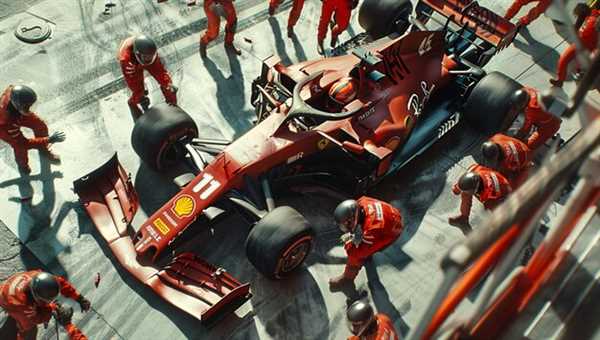
Adopt a data-driven approach to develop race strategies by leveraging real-time telemetry and historical performance analytics. Utilize simulations to predict tire degradation, fuel consumption, and pit stop timing to optimize race execution.
Monitor competitors closely to anticipate their strategies and adapt accordingly. Invest in reconnaissance and technology to analyze rivals’ car setups and performance metrics during practice sessions.
As the sport progressed, communication within teams evolved significantly. Implement robust communication systems that allow engineers and drivers to collaborate efficiently during events. Ensure that team members are trained to interpret and act on data swiftly.
Implement flexible strategies that can be adjusted mid-race based on changing conditions like weather or safety car deployment. This adaptability often distinguishes successful teams from others.
Utilizing psychological aspects, develop a strong team culture that promotes resilience and unity. In high-pressure environments, maintain a focus on collaboration and trust to maximize performance.
Integrate a multi-disciplined approach by involving not only engineers and mechanics but also strategists and psychologists. This blend can lead to a holistic view of race execution and team dynamics.
Evaluate the impact of tire choices, fuel load, and aerodynamic setups continuously to refine overall team strategy. Historical data analysis often reveals trends that can guide future decisions on setups and strategy formulations.
Engage in post-race analyses with detailed debriefs. Understand what strategies succeeded and where improvements can be made. Keep updating the strategy manual based on recent experiences and emerging technologies.