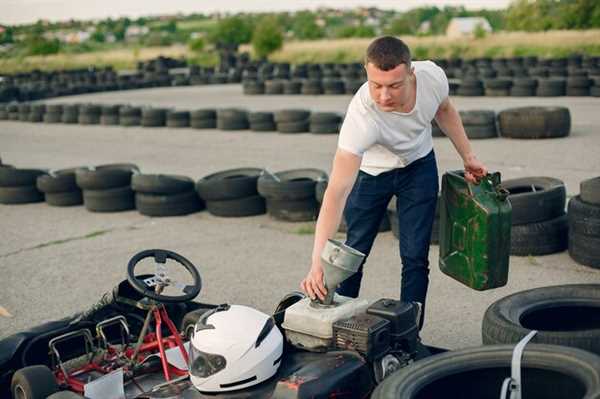
Check tire pressure and tread depth to ensure optimal grip on the track. Inspect the fuel system for leaks and ensure tanks are filled appropriately for the upcoming heat.
Evaluate fluid levels: coolant, oil, and brake fluid should be at required measures. A thorough examination of the braking components, including rotors and pads, guarantees responsive stopping power during high-speed conditions.
Verify that all safety gear is in top shape, from harnesses to helmets. Ensure that onboard electronics function correctly, allowing for efficient data acquisition and communication with pit crews.
Conduct a full inspection of suspension components for wear and tear. Check alignment settings to maximize responsiveness and handling characteristics when racing. Following this prep plan will set the stage for a successful event.
Inspecting Tires: Pressure, Tread, and Alignment
Pressure: Inflate tires to the manufacturer’s recommended PSI, which typically ranges from 25 to 40 for most performance settings. Use a reliable gauge to confirm each tire’s pressure. Remember to check when tires are cold for accurate readings.
Tread: Inspect the tread depth, ensuring it meets the minimum legal requirement of 1.6mm; however, for optimal grip, aim for at least 3mm in racing conditions. Analyze for uneven wear patterns, which can indicate alignment issues or improper inflation.
Alignment: Perform a wheel alignment check to ensure that all tires point in the same direction. Misalignment can lead to uneven tire wear and compromised handling. Pay attention to the camber, caster, and toe settings based on the vehicle’s specifications and racing style.
Fluid Levels: Oil, Coolant, and Brake Fluid Checks

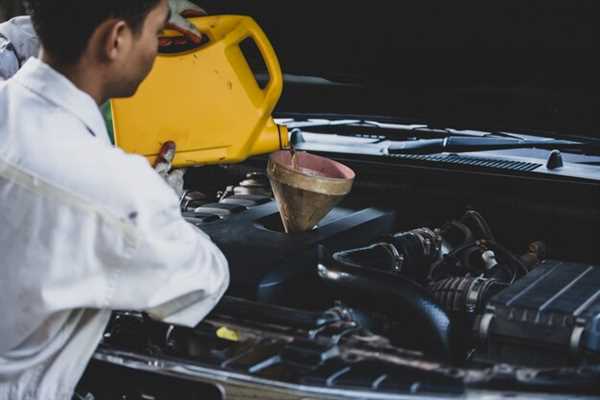
Ensure all fluid levels are optimal prior to the competition. Start with engine oil; check the dipstick for the right amount and inspect for clean consistency. Topping off is essential if it’s low, using the manufacturer-recommended oil type.
Next, assess the coolant reservoir. Verify the mixture is at the appropriate level, and inspect for any leaks or discoloration. A well-maintained cooling system prevents overheating during high-performance conditions.
Finally, examine the brake fluid. The reservoir should be filled to the maximum line. Check for moisture or debris, as these can hinder braking efficiency. Prioritize fluid replacement if any contaminants are detected.
Gearing Up: Safety Equipment and Vehicle Modifications
Ensure helmets are certified, comfortable, and fitted correctly; choose those with advanced impact resistance. Check fireproof suits, gloves, and shoes for compliance with safety standards and wear them snugly without restricting movement.
Install high-quality roll cages to protect occupants during impacts. Verify the proper positioning of seats and harnesses; they should provide stability and comfort while securing the driver effectively. Adjust the seat to maintain an unobstructed view of all essential controls.
Evaluate window nets and arm restraints to prevent limbs from exiting the vehicle in case of a crash. Inspect fire suppression systems for functionality, ensuring they’re easily accessible and ready for immediate action.
Upgrade suspension and braking systems to enhance responsiveness and stability at high speeds. Optimize gear ratios to improve acceleration and handling. Ensure tires are suitable for the track surface, with proper wear patterns and sufficient air pressure.
Check fluid levels including oil, coolant, and fuel; all should be at optimal levels to avoid overheating or failure during intense conditions. Battery terminals and wiring should be secured and free from corrosion.
Conduct a thorough inspection of the exhaust system for leaks and secure all connections. Inspect lighting systems, making sure all signals and headlights function properly for visibility and communication on the track.