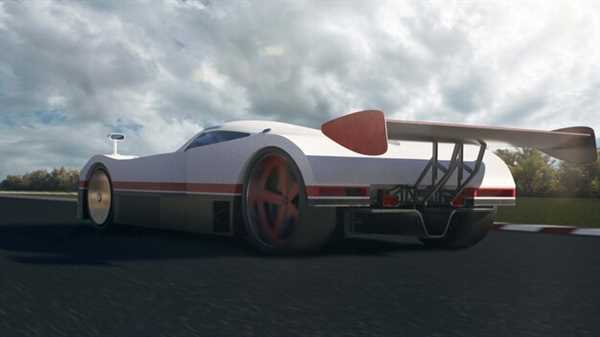
Choosing the right specifications for a high-performance vehicle is crucial. Opt for a larger powerplant if you’re aiming for superior torque delivery and acceleration. This characteristic is particularly beneficial during sprint races where quick bursts of speed are needed.
Conversely, smaller power units may offer advantages in terms of weight reduction and improved handling. These compact configurations can contribute to agile maneuverability on tight tracks, where cornering speed and balance are paramount. It’s a trade-off that teams must carefully analyze based on their racing objectives.
Additionally, consider the impact of displacement on fuel efficiency. A robust design may consume more fuel under intense conditions, whereas a smaller engine could provide a more economical option during longer events. Understanding these technical nuances will help engineers optimize vehicle setups tailored to specific racing formats.
How Engine Size Influences Acceleration and Top Speed
A vehicle equipped with a larger powerplant typically accelerates faster due to increased horsepower and torque. This is particularly advantageous in competitive scenarios. Selecting an optimal displacement can significantly enhance initial speed off the line. Vehicles with more cubic capacity can deliver stronger bursts of power, facilitating quicker launch times.
The correlation between capacity and maximum velocity is also evident. A more substantial unit often translates into a higher ultimate speed, as more power allows for greater air intake and fuel combustion. However, additional weight from a larger motor can counteract these gains, making the choice of the right balance critical. A lightweight frame with a robust engine can provide superior results.
A vehicle’s gearing, drivetrain configuration, and overall aerodynamics interact with the engine specifications to further influence acceleration and peak speed. Refining these elements alongside choosing the correct power source enhances all aspects of velocity performance. Testing various combinations is recommended to find the most effective setup for desired results.
In summary, larger engines can offer quick acceleration and high top speeds, but achieving optimal outcomes requires careful consideration of all vehicle characteristics and their interplay.
Choosing the Right Engine Size for Different Types of Racing
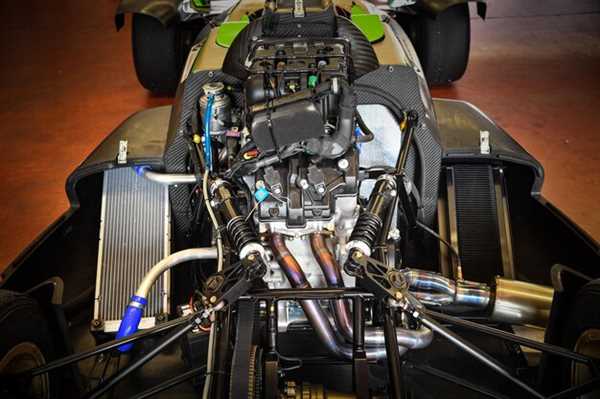
Select a powertrain with a displacement that matches the racing discipline. For circuit racing, engines around 2.0 to 3.5 liters are often ideal, offering a balance between speed and handling. In drag racing, larger displacements, typically exceeding 5.0 liters, provide the raw power required for quick acceleration.
For rally competitions, a smaller engine, usually between 1.6 and 2.0 liters, can enhance maneuverability on varied terrains while still delivering necessary torque. Endurance racing benefits from a mid-range choice, about 3.0 to 4.0 liters, enabling sustained power without overheating.
The vehicle layout also influences the decision. Front-engine designs often favor smaller engines for better weight distribution, while rear-engine setups can accommodate larger configurations. Always consider the balance between weight and horsepower for optimal results.
Evaluate the regulations of the racing series; some impose strict limits on capacity. This can dictate the ideal configuration that aligns with both competitive standards and optimal vehicle setup.
Ultimately, the right choice hinges on the specific objectives of your racing style, as well as the characteristics of the vehicle. Prioritize the combination that delivers both speed and control while adhering to class restrictions.
Analyzing the Trade-offs Between Engine Size and Fuel Efficiency in Motorsport
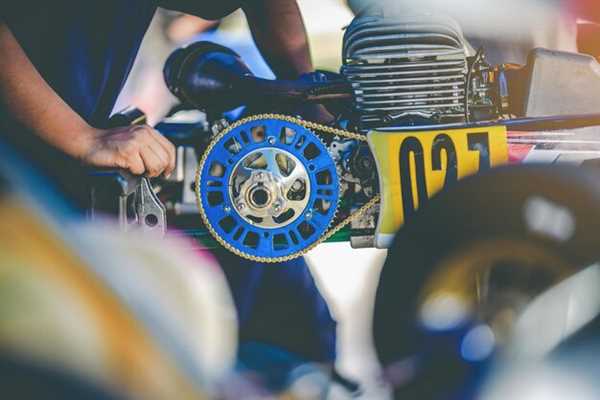
Selecting a larger motor often leads to an increase in power output and acceleration. However, this decision frequently results in higher fuel consumption. As vehicles aim for speed, the trade-off between power and fuel economy becomes evident.
A smaller power unit can enhance miles per gallon and reduce the frequency of pit stops during races, potentially increasing overall race time efficiency. This choice, while advantageous for long-distance events, may sacrifice sheer speed in short sprints.