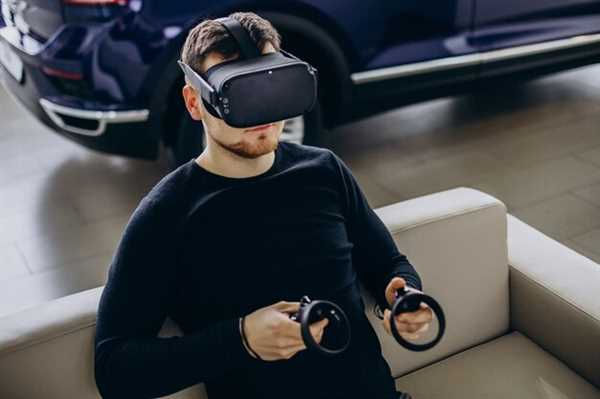
To enhance performance on the track, implement immersive technology solutions that offer tailored scenarios for practicing critical skills. By using immersive environments, a driver can experience realistic track layouts, analyze different racing conditions, and refine their decision-making processes without the risks associated with real-world racing.
Incorporating these immersive methods allows for customized drills that focus on individual strengths and weaknesses. By progressively increasing complexity in simulations, drivers can work on precision, reaction times, and even mental resilience, preparing them to face challenging situations in real races. Furthermore, leveraging analytics generated from immersive sessions offers insights into areas for further development.
Engage with cutting-edge tools that utilize 3D modeling and sensor data to recreate unparalleled experiences. This innovation not only accelerates learning but also fosters a competitive edge, as participants can practice more efficiently and productively. By dedicating time to these advanced methodologies, racing aficionados can better position themselves for success on the track.
Practical Applications of VR Simulations in Race Preparation
Integrating immersive experiences into pre-race routines significantly enhances a racer’s ability to adapt to various scenarios encountered on the track. Engaging in realistic simulations allows participants to familiarize themselves with different track layouts and conditions, facilitating quicker decision-making during actual events.
A notable implementation involves scenario-based learning, where competitors are exposed to various situations, such as adverse weather conditions or unexpected mechanical failures. This method hones their reflexes and strategic thinking, crucial for maintaining control in high-pressure environments.
Additionally, behavioral analysis during simulated laps can provide insights into a driver’s performance. Coaches can pinpoint areas for improvement, allowing tailored feedback that propels skill enhancement. By practicing consistently, athletes can build muscle memory, ensuring precise handling of their vehicles in competition.
The use of this cutting-edge approach permits teams to experiment with different setups and tire strategies without the costs associated with physical testing. This accelerates the development process, ensuring that racers arrive at events equipped with optimized performance data.
Lastly, engaging in this innovative method of preparation cultivates a deeper psychological connection to the sport, fostering confidence and composure. This mental edge can be as significant as physical prowess on race day, influencing outcomes in fiercely contested environments.
Analyzing Driver Performance through VR Data Analytics
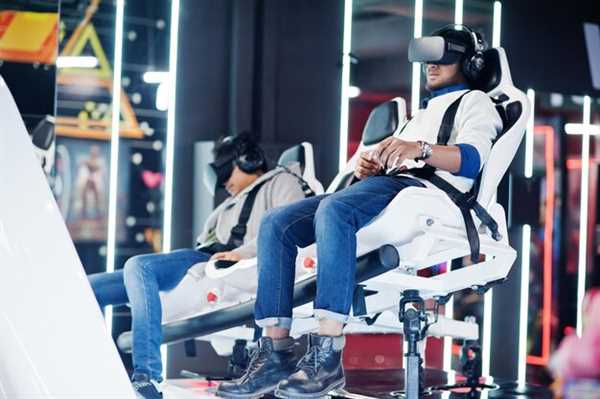
Implement comprehensive data collection during immersive sessions to analyze driver behavior. Monitor metrics such as reaction time, cornering speed, throttle application, and braking efficiency for nuanced insights.
Utilize predictive analytics to identify patterns and forecast performance improvements. By correlating data from simulated runs with actual track results, pinpoint techniques that markedly enhance lap times.
Integrate biometric data tracking, such as heart rate variability, to assess stress levels. This information provides a deeper understanding of how emotional states influence decision-making on the track.
Implement scenario-based evaluations to challenge drivers in high-pressure situations. Analyze their response times, habit formations, and adaptability to unexpected changes, offering tailored feedback based on these scenarios.
Harness machine learning algorithms to recognize individual driving styles. Compare performance metrics against historical data to craft personalized development plans that encourage progress in weak areas.
Regularly review analytics dashboards to facilitate discussions between instructors and participants. These sessions should focus on analyzing past performances and setting specific goals for upcoming sessions.
Encourage the use of peer comparisons to motivate drivers. By establishing benchmarks based on others’ performances, enhance competitive spirit and drive improvement in underperforming areas.
Provide actionable insights derived from aggregated data sets. Create visual representations of key metrics to facilitate clear understanding and readiness for on-track application.
Integrating Real-Time Feedback Mechanisms in VR Training Sessions
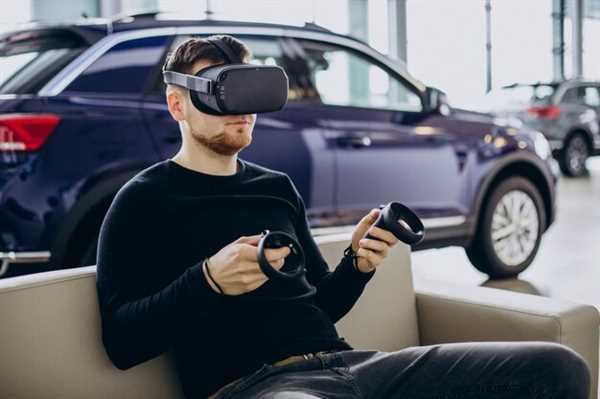
Implement sensor-based technology that captures driving metrics like speed, steering angle, and braking force. This data provides immediate insights into performance, allowing the participant to adjust techniques on the spot.
Incorporate audio and visual alerts to signal ideal timings for gear shifts and optimal braking points. These cues enhance responsiveness and reinforce muscle memory, essential for mastering precise control of the vehicle.
Use a scoring system that evaluates each session. Display metrics such as lap times and skill-based challenges, motivating the learner to improve continuously. Provide access to a dashboard summarizing metrics for post-session analysis.
Establish a virtual coach feature that delivers personalized suggestions based on real-time performance. This innovation helps refine driving strategies by focusing on specific areas that require enhancement.
Integrate environmental variables like weather or track conditions that affect driving dynamics. Simulating these factors during practice sessions prepares the driver for various real-world scenarios.
Leverage peer comparison tools that showcase performance against fellow participants or professional standards. This competitive aspect encourages drivers to push their limits and refine their skills further.
Utilize motion tracking to analyze body positioning and posture. Feedback on these physical elements enhances control and contributes to overall performance, fostering a holistic approach to skill enhancement.