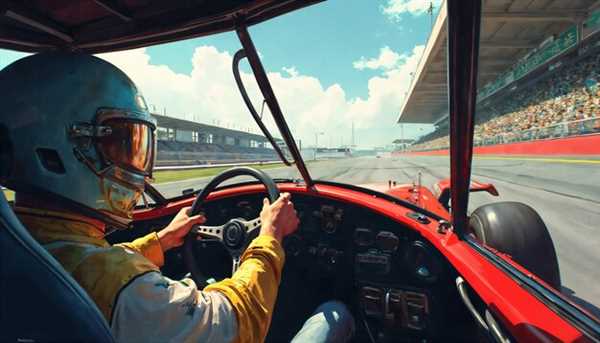
For enthusiasts aiming to enhance their knowledge about high-octane events, an exploration into the thrill of global racing is indispensable. Consider participating in key championships such as Formula 1 or World Rally, which not only showcase remarkable engineering but also highlight exceptional driving skills from around the globe.
Each race weekend offers a unique experience; from the electric atmosphere in the paddocks to the strategic intricacies of pit stops. Pay attention to major tracks like Monaco or Le Mans, where history and culture intertwine with modern innovation, providing a rich backdrop for thrilling contests.
Stay engaged with comprehensive calendars of races throughout the year. Engaging in discussions on forums or social media can deepen your understanding of driver strategies and team dynamics, revealing insights that numbers alone may not convey. As you immerse yourself in this exhilarating sphere, you’ll appreciate the nuances that elevate each event beyond mere entertainment.
Understanding the Different Types of International Racing Events

For enthusiasts keen on exploring diverse racing options, it’s vital to familiarize yourself with various categories. Formula racing, such as Formula 1, involves single-seater cars designed for speed on purpose-built circuits. The races feature a significant focus on aerodynamics and engineering excellence.
Touring car racing emphasizes production-based vehicles modified for competition. Events like the World Touring Car Championship highlight driver skill and team strategy on both road and street layouts.
Sports car racing showcases endurance, with events like the 24 Hours of Le Mans testing both human and mechanical limits. Vehicles participating are a mix of prototypes and grand tourers, emphasizing reliability over sheer speed.
Rally driving takes place on a variety of terrains, where drivers navigate timed stages on public or closed roads. Competitions like the World Rally Championship challenge participants to master diverse conditions, from tarmac to gravel.
Drag racing is a straight-line sprint that prioritizes acceleration. Events such as the NHRA Drag Racing series feature cars racing over a short distance, making power and reaction time crucial factors.
Off-road racing features vehicles tackling rough terrain, where events like the Dakar Rally require not only speed but also an ability to navigate challenging landscapes.
Understanding these categories helps enthusiasts choose events that cater to their interests, whether you prefer circuit racing, endurance trials, or off-road challenges.
Key Strategies for Success in Global Motorsport Competitions
Prioritize data analysis. Understand telemetry, lap times, and performance metrics. Use this information to identify areas for improvement and to make informed decisions about car setup and strategy.
Develop a strong team dynamic. Assemble a diverse group of engineers, mechanics, and support staff who communicate effectively. Trust and collaboration lead to smoother operations and better performance on track.
Invest in driver development. Regular training sessions, simulator usage, and mental conditioning are crucial. Engage drivers in feedback loops to refine their skills and adapt to various racing conditions.
Stay adaptable. Be prepared to adjust strategies based on weather, track conditions, or unexpected events. Flexibility can provide an edge over competitors who are slower to react.
Leverage sponsorship and partnerships. Build relationships with sponsors to secure funding and resources. Collaborate with partners for technology sharing and enhanced marketing opportunities.
Utilize cutting-edge technology. Implement the latest advancements in car performance, from aerodynamics to engine efficiency. Stay ahead by monitoring industry trends and adopting innovative solutions.
Maximize track time. Prioritize practice sessions to fine-tune setups and gain experience. Consistent track time can lead to improved familiarity with circuits and better race strategies.
Focus on fitness. Ensure the whole team maintains peak physical condition. A fit driver can sustain concentration and performance throughout demanding races, while a healthy crew can work more efficiently.
Build a brand and fan engagement. Foster a community around your team through social media and events. An engaged fan base can translate into greater support and increased financial backing.
Navigating the Regulations and Requirements for International Racers

Fulfilling each country’s legal stipulations is paramount. Begin with securing a valid racing license accepted by relevant federations such as the FIA or FIM.
Ensure compliance with safety standards mandated by local jurisdictions; these may include specific requirements for vehicles, driver gear, and track specifications. Highlighted safety features often encompass:
- Roll cages
- Fire suppression systems
- Racing harnesses
- Snell-rated helmets
Investigate vehicle specifications aligning with the class you intend to compete in. Regulations regarding weight, dimensions, and permitted modifications vary significantly between categories. Key steps include:
- Review the technical regulations specific to your racing class.
- Get your vehicle inspected by certified officials before the event.
Consider logistical aspects such as transport and customs regulations for cross-border movement of vehicles and equipment. Each country may impose unique import duties and certifications. Familiarize yourself with:
- The time required for customs clearance
- Required documents for vehicle entry
- Insurance coverage for competitions abroad
Engage with local racing clubs or organizations that can provide insights on regulatory nuances specific to their territories. Building connections often leads to valuable advice and smoother experiences when participating in races outside your home region.
Stay updated on any changes in regulations as they can shift from year to year. Subscribe to newsletters or join forums dedicated to racers for ongoing information sharing and support.
Consult experienced participants for firsthand knowledge on navigating foreign circuits and their associated rules, as local expertise can prove invaluable.