Cover your vehicles with breathable car covers to prevent moisture accumulation. This simple step protects interiors and exteriors from dust and potential mildew growth.
Check tire pressure regularly throughout the storage period to prevent flat spots. Inflate them to optimal levels, and consider placing the vehicles on jack stands for prolonged storage.
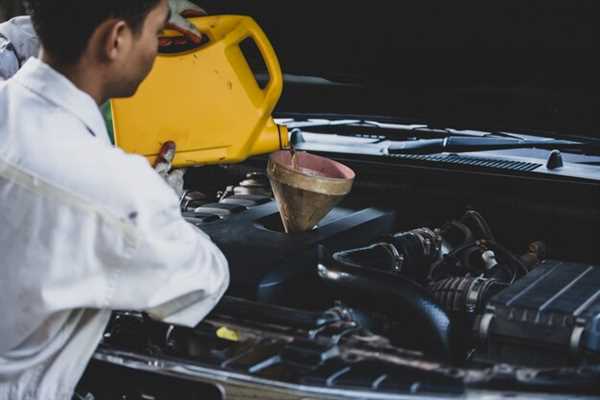
Ensure all fluids are topped off; this includes oil, coolant, and fuel. Add a fuel stabilizer to prevent degradation, and remember to run the engine periodically to circulate the lubricants.
Opt for a dry, climate-controlled environment. A garage with low humidity and stable temperatures minimizes the risk of rust and paint damage. Avoid storing in direct sunlight to protect the paintwork.
Disconnect the battery or use a maintenance charger to keep it in good condition. This simple measure ensures your vehicle is ready to go when the racing season resumes.
Choosing the Right Environment for Storage
A climate-controlled space is highly recommended to maintain optimal conditions. Aim for temperatures between 50°F and 70°F (10°C to 21°C) to prevent rust and degradation of components.
Ensure the area is dry and well-ventilated. Use dehumidifiers to keep humidity levels below 50%, which helps prevent mold and mildew. Excess moisture can lead to significant damage over time.
Select a location away from direct sunlight. UV rays can fade paint and damage plastics, so window coverings or a tarpaulin can protect surfaces. Avoid basements where flooding might occur.
Check for pests. Rodents can cause wiring issues; use traps or deterrents to keep the area clear. Inspect the storage space regularly for signs of damage or unwanted visitors.
Consider a dedicated storage unit with security features like cameras and gated access. This adds an extra layer of protection against theft while keeping your investment safe.
Preparing Your Motorsport Vehicle for Long-Term Storage

Begin by cleaning the vehicle thoroughly. Remove all dirt, grease, and debris to prevent corrosion and damage. Pay extra attention to the undercarriage and wheel wells.
Change the oil and filter to eliminate contaminants that can accumulate over time. This practice helps protect the engine components from acid buildup.
Fill the fuel tank to prevent moisture from condensing inside. Adding a fuel stabilizer can also prolong the fuel’s life and protect the fuel system.
Disconnect the battery to prevent drainage. If possible, using a battery maintainer can keep it charged without any risk of overcharging.
Inflate the tires to the recommended pressure to prevent flat spots. Consider using tire cradles or placing the vehicle on jack stands to remove weight from the tires.
Inside the cabin, use moisture-absorbing packets to mitigate humidity and prevent mold growth. Cover the interior with a breathable fabric to keep dust at bay.
For external protection, cover the vehicle with a high-quality car cover that is breathable to avoid trapping moisture, which can lead to rust.
Periodically check on the vehicle during storage. Rotate the tires if possible and check the battery voltage to ensure everything remains in optimal condition.
Maintenance Tasks to Perform Before and After Storage

Change the oil and filter before parking the vehicle to remove contaminants that can harm the engine. Fresh oil helps protect internal components during the downtime.
Inspect and fully inflate tires to the recommended pressure. Flat spots can develop if they are under-inflated, potentially causing issues when you resume driving.
Apply a vehicle cover made of breathable material, preventing dust accumulation while allowing moisture to escape. Ensure the surface is clean to avoid scratches.
Disconnect the battery or use a smart battery maintainer to prevent it from draining. This action helps extend battery life and readiness when you return.
Check coolant levels and add antifreeze if necessary to prevent freeze damage in cold climates. Inspect hoses for wear and replace any that show signs of deterioration.
Clean the interior and exterior thoroughly, removing any debris or contaminants that could cause damage or unpleasant odors over time.
After bringing the vehicle out of storage, recheck tire pressure and inspect the battery before starting the engine. Let it idle for a few minutes to allow fluids to circulate.
Inspect all fluids, including brake and transmission fluids. Top off or replace them as needed to ensure optimum performance.
Conduct a walk-around inspection for any signs of pest intrusion, leaks, or damage that may have occurred during the storage period.
Test brakes and lights before driving to ensure all systems are functioning correctly, allowing a smooth return to the road.