
Implement machine learning algorithms to analyze vast amounts of data collected from vehicle telemetry and track performance. This approach allows teams to refine their vehicle setups, understanding how various components perform under different conditions.
Utilize predictive analytics to anticipate tire degradation and weather changes. By leveraging artificial intelligence, teams can adjust their pit strategies in real-time, optimizing tire choices and fuel loads based on forecast models.
Integrate computer vision technology to enhance driver performance. AI systems can analyze race footage to provide feedback on driving styles, suggesting adjustments that might improve lap times and overall competitiveness.
Collaborate with AI-driven platforms for strategic decision-making. These technologies assist in assessing competitor tactics and track conditions, delivering insights that can determine optimal driving maneuvers and pit stop timing.
Consider the implementation of smart communication systems that utilize real-time data sharing between drivers and their crews. This allows teams to make informed split-second decisions that can lead to a competitive edge at critical moments during the event.
Data-Driven Performance Analysis for Race Strategy Optimization

Leverage advanced algorithms to analyze telemetry data, enabling teams to identify optimal tire choices under varying track conditions. Use artificial intelligence to process historical performance metrics, refining pit stop timing and fuel management strategies to maximize on-track efficiency.
Implement machine learning techniques to assess competitor behavior and predict their actions based on past races. This allows for proactive adjustments to in-race tactics, enhancing the likelihood of successfully countering rival maneuvers.
Utilize simulation technology to create various race scenarios, helping to visualize potential outcomes of different strategy options. By feeding real-time data into these simulations, teams can rapidly adapt to unfolding events on the track.
Integrate data visualizations to make actionable insights clear during debriefs. Infographics highlighting performance variances can pinpoint areas needing improvement, whether it’s cornering speed or acceleration out of turns.
Employ predictive analytics to forecast tire degradation and fuel consumption, thereby informing decisions on pit stop timing. By analyzing previous laps, teams can determine the optimal moment to switch tires, reducing the chances of under- or over-pitting.
Encourage cross-functional collaboration among engineers, strategists, and drivers to interpret data findings. This holistic approach ensures alignment in goals and enhances overall performance coherence.
Predictive Analytics for Enhancing Driver Decision-Making
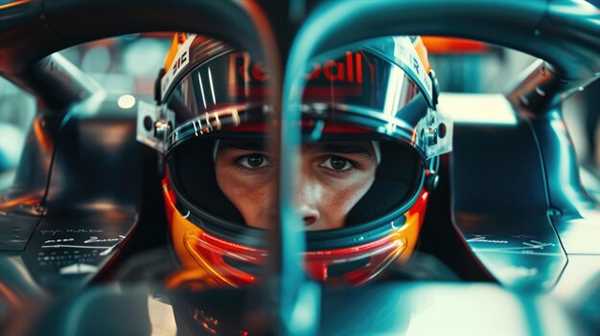
Implement real-time predictive analytics to provide drivers with actionable insights during races. Leverage machine learning algorithms that analyze historical performance data, track conditions, and competitor behaviors.
Utilize telemetry data combined with artificial intelligence to forecast tire wear and fuel consumption, enabling optimal pit stop strategies. This approach can result in fewer laps lost and improved finishing positions.
Integrate advanced simulation tools that allow drivers to visualize different racing scenarios. These tools should consider variables such as weather changes, track temperature, and traffic dynamics, equipping drivers to make informed decisions at critical moments.
Train drivers using cognitive coaching systems powered by AI. These systems can mimic race conditions, providing feedback on decision-making speed and accuracy, which enhances their situational awareness on the circuit.
Encourage collaboration between engineers and drivers to refine predictive models using real-time data. Continuous feedback loops can enhance model accuracy, increasing the reliability of insights available to the driver during competitions.
Adopt scenario analysis techniques whereby drivers can assess multiple possible outcomes based on data-driven predictions. This will enable them to adapt their tactics swiftly, ensuring they remain competitive at every turn.
Real-Time AI Systems for Improved Pit Stop Coordination
Implement AI-driven systems to enhance pit crew coordination with real-time data analytics. By utilizing advanced technology, crews can anticipate tire wear and fuel levels, optimizing timing for pit stops. Integration of artificial intelligence facilitates precise tracking of vehicle performance metrics, allowing teams to make informed decisions about adjustments during races.
Utilize predictive algorithms that analyze historical data and immediate performance metrics to refine pit stop strategies. Sensors should monitor every aspect of the car’s performance, from tire temperatures to engine health, ensuring no detail is overlooked.
Incorporate automated communication tools powered by intelligence systems to streamline interactions between drivers and pit crews. This reduces delays and ensures that every member of the team is aware of changes in racing conditions or vehicle needs.
Invest in simulation technology to train crews on various scenarios, enhancing adaptability during actual events. Continuous evaluation of AI feedback loops can lead to significant improvements in pit stop execution. Aim for precision and speed, as every second can determine a team’s success.
Overall, leveraging real-time AI systems enables teams to refine their operational strategies, resulting in enhanced performance on the track.