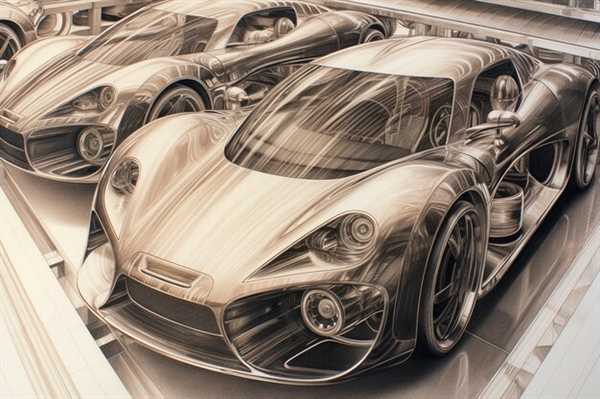
Explore the remarkable vehicles that revolutionized racing and left an unforgettable mark on automotive heritage. From the roaring engines to the sleek designs, these legendary racing machines represent more than just speed; they embody a spirit of competition that ignited enthusiasm across generations.
Take a closer look at the pioneering designs that changed how enthusiasts view performance. Notable examples include the Ferrari 250 GTO, a masterpiece that triumphed on racetracks worldwide, and the Porsche 917, which set new standards for engineering excellence. Each model, with its unique characteristics, adds to the rich narrative of automotive innovation.
Understanding the impact of these racing icons requires appreciating their engineering marvels and the passionate drivers behind the wheels. These vehicles not only showcased technological advancements but also reflected the cultural influences of their respective eras. Each car tells a story of ambition, determination, and the relentless pursuit of speed.
Key Features That Made Motorsport Classics Stand Out

High performance was a cornerstone, with engines designed for power and speed, allowing these vehicles to excel on tracks. Innovations in aerodynamics significantly improved handling and stability, giving drivers confidence at high velocities. Lightweight materials reduced mass without compromising strength, enhancing acceleration and cornering abilities.
A distinctive aesthetic appeal contributed to their legendary status. Striking designs, often highlighted by bold color schemes and sleek silhouettes, captured attention and evoked emotions. Attention to detail in craftsmanship ensured these classics would not only perform well but also look exceptional on the roads.
Technological advancements, such as advanced suspension systems and braking mechanisms, set these vehicles apart, enabling superior control and safety during competitive events. These features made them not just vehicles, but true champions on race tracks.
The rich history associated with each model created a passionate following. Enthusiasts celebrated their accomplishments, honoring the stories behind every race. This cultural significance has solidified the legacy of these legendary machines in the hearts of many.
Each classic is a blend of engineering excellence and artistic design, making them timeless. The combination of performance, beauty, and heritage continues to captivate collectors and fans alike, maintaining their place in automotive history.
Impact of Legendary Cars on Racing Technology and Design
Focus on the critical advancements introduced by renowned vehicles like the Ferrari 250 GTO and the Porsche 917. These classics changed the dynamics of performance and aerodynamics in racing. The GTO’s lightweight construction coupled with its powerful V12 engine set new standards for performance, influencing car design for decades.
The introduction of the 917 demonstrated the significance of aerodynamic efficiency, featuring a streamlined shape and a flat-12 engine that pushed boundaries. This model’s success at Le Mans highlighted the need for engineers to integrate advanced aerodynamics into their designs, resulting in better stability and speed.
Consider the innovations brought about by the McLaren F1, which featured a carbon-fiber monocoque chassis, significantly enhancing safety and rigidity. Its design principles became foundational in both motorsport and consumer vehicle development, proving the effectiveness of incorporating lightweight materials for improved acceleration and handling.
Analyze the impact of technology like telemetry, first popularized in racing during the 1980s. Vehicles like the Williams FW14B utilized real-time data to optimize performance, marking a shift towards data-driven engineering in racing. This technique paved the way for modern competitive strategies and car setups.
Evaluate how the integration of turbocharging in models such as the Renault RE30 opened avenues for increased power without additional displacement. Following this trend, modern racing vehicles increasingly rely on efficient powertrains, shaping today’s approach to high-performance design.
Finally, assess how these influential designs and technological breakthroughs continue to inspire both motorsport enthusiasts and automotive manufacturers, creating a legacy that shapes future automotive engineering and performance standards.
How Iconic Vehicles Influenced Popular Culture and Automotive Trends

Legendary models such as the Ford Mustang and Chevrolet Corvette not only revolutionized performance but also became symbols of freedom and rebellion in American culture. Their unique designs inspired trends in fashion, music, and film, visibly shaping public perceptions of speed and style.
Classics like the Volkswagen Beetle and Mini Cooper sparked a wave of appreciation for compact, efficient designs. These vehicles transcended their practical purposes, embodying the spirit of the counterculture movements of the 1960s and 1970s, thus becoming cultural icons.
With the rise of motorsport events, vehicles such as the Porsche 911 and Ferrari F40 influenced enthusiasts and collectors alike. Their engineering achievements set benchmarks for performance, prompting manufacturers to adopt similar innovations in mass-production models.
The imagery surrounding these machines has permeated cinema, with films like “Bullitt” and “Fast and Furious” highlighting thrilling car chases. This representation solidified an enduring relationship between auto performance and storytelling on screen.
In advertising, legendary models have been central to branding strategies, often evoking emotions tied to aspiration and adventure. This connection has driven consumer trends, with sleek designs and high performance fueling demand for sports vehicles.