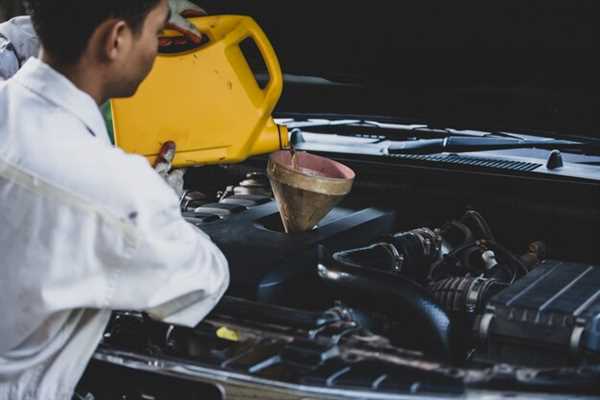
Regularly check oil levels and quality; this practice is crucial for optimal lubrication. Synthetic oils are often preferred for their superior properties in high-stress conditions. Ensure that the correct viscosity is used to match ambient temperature and driving style.
Monitor coolant systems diligently. Overheating can lead to catastrophic failures, so inspect hoses, radiator, and coolant levels regularly. Consider upgrading to a more efficient radiator for improved heat dissipation during rigorous activities.
Scheduled inspections of mechanical components can prevent costly breakdowns. Pay special attention to belts, hoses, and electrical connections, which can wear out faster under the strain of competition. Replacing these parts proactively can save time and effort in the long run.
Investing in quality fuel greatly influences performance and durability. Use high-octane fuel and consider additives that enhance combustion efficiency. Avoid fuel with high ethanol content, as it may cause detrimental effects on seals and gaskets.
Lastly, maintain a meticulous cleaning routine for both the exterior and interior of the mechanical setup. Dirt and debris can lead to overheating and reduced performance. A clean environment aids not just in performance but also extends the life of components significantly.
Regular Oil Change Schedule and Filter Maintenance
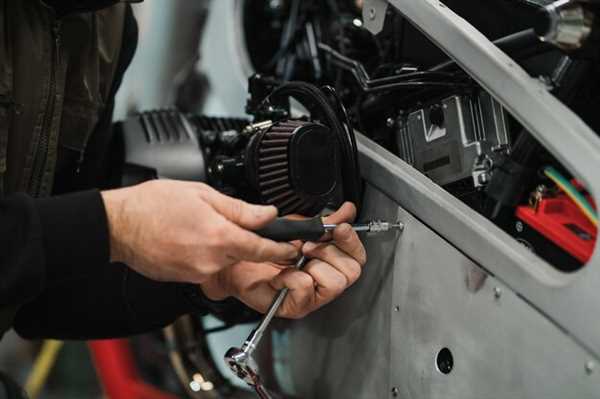
Establish an oil change routine every 3,000 to 5,000 miles, depending on usage and type of lubricant. Frequent use in competitive settings may necessitate more frequent changes.
Always opt for high-performance oil that meets specific viscosity requirements for peak operation. Synthetic oil often provides better protection under extreme conditions.
Inspect and replace the oil filter each time you change the lubricant. A clean filter maintains proper oil flow and prevents contaminants from circulating in the system.
Monitor oil quality through regular checks, noting color, consistency, and levels. Dark, gritty oil indicates it’s time for a change.
Utilize an oil pressure gauge as a diagnostic tool. Consistent pressure levels ensure adequate lubrication and signal any underlying problems early.
Maintain records of all maintenance to track changes, which can help predict future needs and optimize care.
Monitoring Engine Temperature and Cooling System Checks

Regularly monitor the temperature gauge during operation. Keep it within the manufacturer’s recommended range to prevent overheating. Use an accurate aftermarket gauge for precise readings if necessary.
Check the coolant levels frequently. Ensure that the coolant reservoir is filled appropriately to maintain optimal performance. Low coolant levels can lead to rapid overheating and significant damage.
Inspect the radiator and hoses for leaks, cracks, or blockages. Address any issues immediately to avoid coolant loss and potential catastrophic failures.
Flushing the cooling system periodically helps remove dirt and debris that can hinder performance. Follow the manufacturer’s schedule for this maintenance task. Use the proper coolant mixture for your specific application to ensure effective heat transfer.
Monitor the condition of your water pump. Listen for strange noises that might indicate wear. Replace it as needed to maintain an effective cooling cycle.
Check the thermostat function by testing it in boiling water to see if it opens at the specified temperature. A malfunctioning thermostat can disrupt the cooling system’s efficiency.
After every session, inspect all components of the cooling system. Early detection of issues can save time and money, ensuring a reliable sports vehicle for future races.
Using Quality Fuel and Engine Additives for Enhanced Performance
Select high-octane fuel to maximize combustion efficiency and power output. This type of fuel minimizes knocking and ensures smoother operation. Regularly fill up at reputable stations to avoid impurities that can harm the combustion chamber and injectors.
Additives can significantly enhance performance and care. Look for detergents in fuel that help keep the injectors clean, preventing deposits that can hinder fuel flow. Additionally, using an oil antioxidant additive can reduce wear and tear on internal components, promoting longevity.
A periodic octane booster can be beneficial, especially before competitive events, providing a temporary increase in performance. However, ensure that any additives used are compatible with the specific configuration of the setup to avoid detrimental reactions.
Check the manufacturer’s recommendations regarding fuel types and additives, ensuring that maintenance routines incorporate these products. Regular monitoring of the fuel system will highlight any potential issues early and improve reliability.