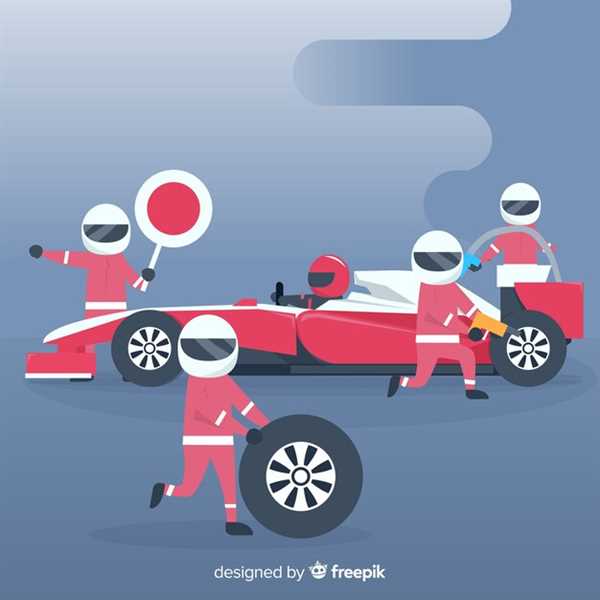
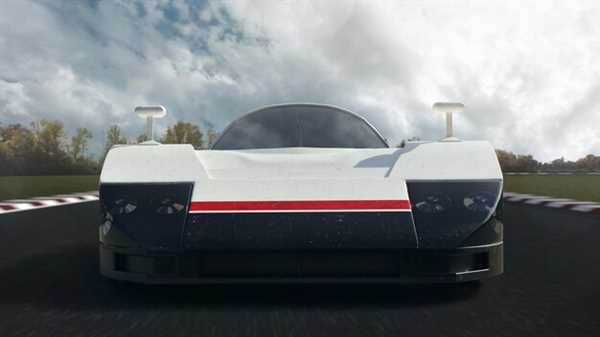
To grasp the latest happenings in competitive racing, focus on significant shifts observed in technology, strategy, and audience engagement. For instance, the adoption of hybrid power units in Formula E showcases a determined move towards sustainability, blending speed with eco-consciousness. Experts suggest that this trend will intensify as fans demand greener solutions from their favorite series.
On the analytical front, data utilization has become paramount. Team strategies increasingly rely on advanced analytics, enabling engineers and drivers to optimize performance in real-time. Real-time telemetry allows for rapid decision-making during races, a practice that is likely to continue expanding across various leagues.
Furthermore, the rise of digital platforms has transformed fan interaction, with many series leveraging social media and streaming services to enhance viewer engagement. Analytics indicate that this shift not only boosts fan loyalty but also opens new revenue streams, a strategy that teams are advised to adopt for future growth in a competitive market.
Analyzing the Impact of Electric Vehicles in Racing Series
Electric vehicles (EVs) are reshaping racing formats, introducing innovative technologies and sustainability goals. It’s crucial for teams to consider the integration of EVs not just for compliance but for competitive advantage.
Recent reviews suggest that electric racing series like Formula E are gaining traction due to their thrilling competitive nature and environmental commitments. High-profile partnerships with major automotive brands emphasize the seriousness of this niche.
Expert analysis points to significant advancements in battery technology, which not only enhance performance but also extend race durations without compromising power. Teams adopting these improvements achieve better lap times and operational efficiency.
Data indicate a shift in audience preferences, with a growing number of fans supporting eco-friendly initiatives by following leagues featuring EVs. This shift encourages sponsors to invest in electric series, thereby boosting financial viability.
As the demand for sustainable practices increases, teams should prioritize research and development in electric powertrains. Collaborating with tech developers may yield breakthrough innovations that enhance performance while reducing environmental impact.
The future of racing hinges on the ability to adapt to these new paradigms, ensuring the sport remains relevant and exciting in a rapidly changing automotive landscape. Focusing on electric vehicle integration is not just a trend but a necessary evolution in racing formats.
Assessing Driver Performance through Data Analytics Tools
Utilize advanced data analytics platforms to evaluate driver performance effectively. Tools like Telemetrix offer in-depth analysis of speed, throttle input, and braking patterns. These metrics provide a clear view of each driver’s strengths and weaknesses during races.
Implement real-time telemetry data to compare driver performance on different tracks. By analyzing variables such as lap times, cornering speeds, and tire wear, teams can tailor strategies specific to each event.
Leverage machine learning algorithms to predict performance trends based on historical data. For instance, AI-driven analytics can highlight potential improvements in a driver’s racing line, leading to more informed coaching sessions. Expert reviews emphasize the significance of continuous feedback loops between data gathered and training adjustments.
Incorporate video analysis for comprehensive evaluations. Cross-referencing telemetry data with video footage enables deeper insights into driving techniques. Analytical tools can track visual metrics, allowing teams to refine driver skills further.
Ensure that the analytics tools are user-friendly, enabling quick access to crucial information. This accessibility fosters a more responsive approach to decision-making during races. Using these strategies not only enhances driver performance but also optimizes overall team efficiency on the track.
Exploring the Role of Social Media in Fan Engagement and Brand Strategy

Leverage targeted platforms to cultivate community: Utilize Twitter for real-time updates, Instagram for visual storytelling, and TikTok for engaging short-form content to captivate diverse demographics.
Implement regular polls and Q&A sessions to gauge fan opinions and preferences, enhancing interaction and personal investment. For instance, inviting fans to vote on car designs or race themes can elevate their sense of participation.
Analyze user-generated content; encourage fans to share their motorsport experiences via hashtags. This not only builds authenticity but creates a rich repository of reviews and testimonials that resonate with potential followers.
Develop partnerships with influencers within the racing sector. Collaborations can amplify message reach, tapping into established fanbases while adding credibility through trusted figures.
Create a content calendar to ensure consistent engagement. Schedule race previews, live coverage, and post-event analysis to maintain a steady flow of information across channels, which keeps fans informed and excited.
Monitor social media metrics closely. Track engagement rates, reach, and sentiment analysis to refine strategies. This data-driven approach will optimize content delivery and resonate more with audiences.
Lastly, engage with feedback. Respond to comments and messages to establish a connection with fans, demonstrating that their voices matter in shaping the narrative of your brand.