For the latest developments in racing, stay tuned to channels that deliver up-to-the-minute information. Key sources like specialized websites and social media platforms provide real-time coverage and insights tailored for enthusiasts and professionals alike.
Analyzing the performance trends and team strategies is equally important. Look for expert commentary and breakdowns that highlight not only race results but also the implications for upcoming events. Tracking driver rankings and team standings offers a deeper understanding of the competitive landscape.
Engaging with community discussions can enhance your knowledge as well. Forums and chat groups often share insider perspectives and rumors that can provide context beyond just statistics. Whether it’s about technological advancements in car design or tactical shifts in race strategy, these dialogues enrich the overall experience of the sport.
Analyzing Recent F1 Race Outcomes and Trends

Focus on the rising dominance of the Red Bull Racing team, which continues to showcase both speed and reliability, evident from their multiple victories. Analyze the performance metrics of drivers such as Max Verstappen, who consistently secures pole positions and finishes on the podium, reflecting his exceptional skill and the team’s strategic advantage.
Examine tire management, a critical aspect that influences race outcomes. Drivers who excel in this area often gain superior traction and longevity, leading to competitive advantages during crucial phases of the race. Refer to recent races where tire strategy played a pivotal role in final placements.
Evaluate the impact of track characteristics on performance. For instance, circuits like Monaco demand precision, while others, such as Monza, favor raw speed. Consider how adaptability to diverse tracks affects team standings and individual driver success rates.
Monitor the increasing prevalence of overtakes in races, indicating heightened competitiveness between teams. Review specific examples from recent events to identify which drivers are becoming adept at executing strategic overtakes, showcasing their racing intelligence and teamwork.
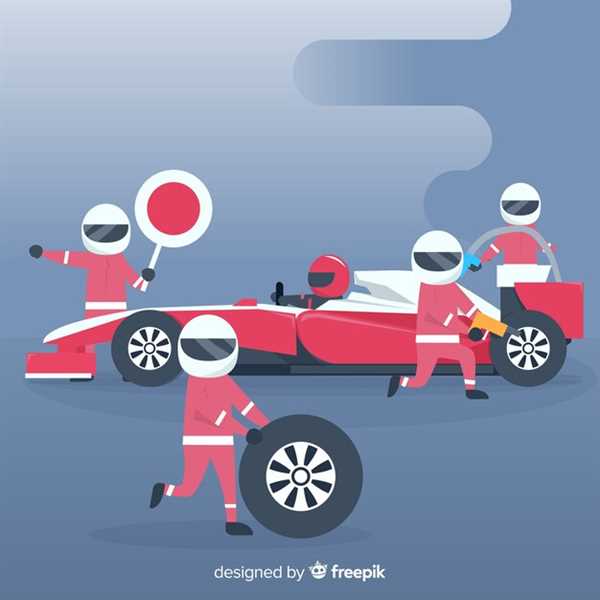
Insights into pit stop efficiency also reveal trends in race strategy. Teams investing in rapid tire changes often gain positions, which is vital in tight races. Analyze the fastest pit stops and their correlation to podium finishes in recent competitions.
Consider the role of regulations on team performance variability. Recent changes in aerodynamic rules have led to shifts in car design approaches, affecting overall speed and stability on the track. Track how different teams are responding to these regulatory changes for insight into future races.
Finally, observe the emerging talents within the grid. Evaluating younger drivers challenging established names can reshape future dynamics in racing. Keep an eye on performances that demonstrate potential for significant impacts on team strategies.
Exploring Innovations in Electric Racing Series
Incorporate regenerative braking systems that capture energy during deceleration to enhance battery efficiency in racing formats. This technology not only improves performance but also extends vehicle range during competitions.
Adopt advanced aerodynamics, including active wing systems that adjust in real-time for optimal downforce and drag reduction. This approach allows teams to maximize speed and cornering capabilities, significantly affecting lap times.
Utilize lightweight materials such as carbon fiber and aluminum to minimize vehicle weight, contributing directly to acceleration and handling. Every gram saved translates into increased performance, making material choice critical.
Implement cutting-edge battery technology, focusing on rapid charging solutions that allow for shorter pit stops. Research solid-state batteries, which promise higher energy density and reduced charging times compared to traditional lithium-ion cells.
Integrate data analytics and telemetry systems to monitor vehicle performance in real-time. This enables teams to make informed decisions on strategy, tire wear, and energy management during races, enhancing competitiveness.
Encourage collaboration with tech companies to explore artificial intelligence for predictive modeling, which can optimize race strategies based on historical data and real-time conditions.
Develop fan engagement platforms that leverage augmented reality experiences, providing spectators with real-time data overlays during events, enhancing enjoyment and knowledge of the racing dynamics at play.
Invest in sustainable practices within the series, emphasizing the use of renewable energy sources to power events, underlining a commitment to environmental responsibility while appealing to modern audiences.
Understanding Regulatory Changes Impacting Global Motorsport
Stay informed about recent adjustments in regulations that directly influence racing. Monitor announcements from governing bodies such as the FIA and IMSA to grasp new technical specifications, safety requirements, and environmental standards. These modifications can suddenly change team strategies and car designs, affecting competitive performance.
Technological advancements often lead to regulatory updates. Anticipate shifts in engine specifications or aerodynamic rules, as teams adapt to emerging technologies. Being proactive in understanding these changes may offer teams a competitive edge during the season.
Financial implications are also significant. Keep an eye on altered budgets linked to compliance with new rules, as they may require teams to adjust sponsorship strategies and operational costs. Consider collaborations or partnerships with technology providers to mitigate expenses related to compliance.
Track how these regulations may enhance safety and sustainability within the sport. Regulatory changes promoting eco-friendly practices are increasingly prioritized, with initiatives for reducing carbon footprints. Understanding these trends is critical for teams aiming to align with future expectations and consumer preferences.
Finally, engage in discussions with stakeholders, including engineers and drivers, to gather insights on perceived impacts of current rules. This collaboration can lead to innovative solutions and help in crafting effective strategies as regulations evolve.