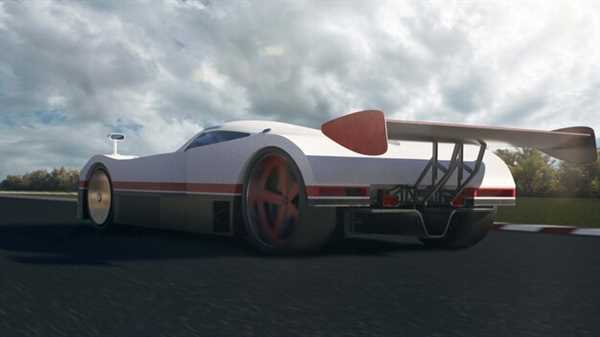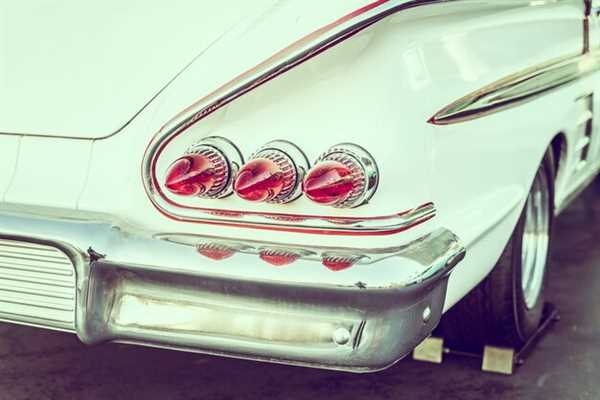
Choosing between traditional and contemporary racing vehicles requires a keen understanding of their distinctive features. Traditional vehicles often charm enthusiasts with their timeless design and manual driving experience, offering a tactile connection that modern counterparts struggle to replicate. However, their maintenance can be both tedious and costly, exposing owners to a range of challenges.
On the flip side, contemporary racing machines prioritize cutting-edge technology and advanced performance capabilities. With superior aerodynamics and enhanced safety features, these vehicles can deliver an exhilarating drive, making them appealing for competitive scenarios. Yet, such advancements may lead to an overly complicated driving experience, distancing drivers from the raw excitement that motorsport is known for.
Each type of vehicle presents unique strengths and weaknesses. Recognizing these nuances can guide your choice, allowing you to select a vehicle that aligns with your passion, driving style, and maintenance preferences. Whether you desire the nostalgia of yesteryear or the thrill of innovation, understanding these differences is key.
Performance Metrics: Comparing Speed and Handling of Modern vs Classic Cars

For optimal speed and handling, consider the advancements in technology that impact modern vehicles. Contemporary models often feature advanced aerodynamics, lightweight materials, and sophisticated suspension systems. These elements significantly enhance cornering stability and acceleration capabilities.
In terms of speed, many current automobiles boast impressive horsepower figures and quicker 0-60 mph times, frequently achieving sub-4 second thresholds, thanks to turbocharging and hybrid powertrains. In comparison, traditional vehicles typically achieve lower horsepower levels, with many not exceeding 300 hp, resulting in slower acceleration timings, often hovering around 6-8 seconds.
Handling dynamics in newer models benefit from enhancements such as electronic stability control, adaptive dampers, and all-wheel drive systems. This contributes to superior grip and cornering performance, particularly in variable weather conditions. Conversely, older models typically rely on simpler mechanical setups, leading to less predictable handling and a more raw driving experience.
Weight distribution plays a crucial role as well. Modern vehicles often utilize advanced engineering techniques to optimize weight distribution, resulting in better balance during high-speed maneuvers. Traditional variants may experience uneven weight distribution due to their construction methods, affecting cornering agility.
Finally, while nostalgia surrounds older models, which may offer a unique driving experience with their manual transmissions and analog controls, they usually cannot match the precision and efficiency of their newer counterparts’ performance metrics. This creates a clear delineation in speed and handling that caters to different preferences among enthusiasts.
Maintenance Costs: Assessing Long-Term Financial Implications for Enthusiasts
Anticipate higher ongoing expenses for vintage automobiles. Parts availability is often limited, leading to elevated prices. For instance, sourcing a transmission for a pre-1980 model may reach thousands, while contemporary vehicles benefit from affordable aftermarket options.
Routine upkeep can differ significantly. Traditional vehicles may require specialized services, driving labor costs higher due to mechanics familiar with older technology. Enthusiasts should expect to pay more for skilled labor when repairs are necessary.
Insurance costs also vary. Insuring a newer vehicle generally comes with lower premiums. Conversely, vintage models might attract high rates due to their value and limited replacement parts, impacting long-term financial forecasts.
Fuel efficiency presents another variable. Modern designs usually feature better mileage, translating to lower fuel costs. In contrast, older models, while charming, often consume more fuel, affecting monthly outlays.
Investment in restoration adds another layer. Many enthusiasts choose to modify or restore vintage vehicles, a process that can be both rewarding and expensive. Detailed attention can lead to significant costs, potentially diminishing an owner’s expected return.
Long-term collectors must monitor market trends. The value of vintage vehicles fluctuates based on demand and rarity, while newer vehicles tend to depreciate steadily. Consideration of market dynamics is crucial for evaluating investment potential.
Technological Innovations: Impact on Safety and Driving Experience in Motorsport

Advanced telemetry systems provide real-time data on vehicle performance, enhancing drivers’ ability to make informed decisions on track conditions. This capability enables precise adjustments during a race, significantly improving lap times.
Active safety features, such as advanced braking systems and stability control, have revolutionized handling characteristics. These enhancements decrease the likelihood of accidents and enable drivers to maintain better control under extreme conditions.
Lightweight materials, like carbon fiber, contribute to increased speed while ensuring structural integrity. These innovations reduce weight without compromising safety, allowing for quicker accelerations and improved maneuverability.
Driver assistance technologies, such as electronic stability programs and anti-lock braking systems, enhance overall safety during high-speed maneuvers. This integration permits drivers to push their limits while minimizing risk.
Virtual reality simulation tools offer immersive training experiences, allowing racers to refine their skills outside of actual competition. This method accelerates learning curves and prepares drivers for various scenarios, ultimately enhancing performance.
Communication systems enable instantaneous feedback between teams and drivers, allowing adjustments and strategies to be implemented in real-time. This connectivity influences decision-making and can affect race outcomes significantly.