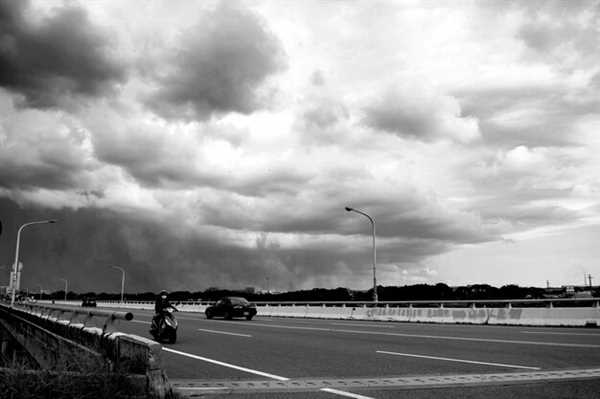
Adjusting tire pressure based on track temperature can provide a significant advantage on race day. Colder tracks require higher pressure to maximize grip, while warmer conditions may necessitate lower pressure to enhance contact with the surface.
Assessing ambient conditions, including humidity and wind speed, is essential for optimal vehicle setup. Increased humidity can lead to reduced visibility and affect braking distances, so teams should prepare their strategies accordingly. Monitoring wind patterns helps anticipate vehicle handling, particularly in sections of the circuit where airflow may differ significantly.
Anticipating sudden changes in environment, such as unexpected rain, mandates contingency plans. Utilizing data from weather services can help crews make real-time decisions regarding tire changes or adjustments to vehicle setups. Preparing for various scenarios enhances competitive edge while minimizing risks to drivers’ safety.
Impact of Rain on Tire Performance and Grip Levels
For optimal traction during a race in wet conditions, utilizing rain tires is necessary. These tires feature deep grooves, designed to channel water away, minimizing hydroplaning and enhancing grip. Ensuring proper tire pressures is critical; over-inflated tires can compromise surface contact, while under-inflated ones may lead to increased wear and instability.
Adjustments in driving techniques are also vital. Gentle steering inputs and gradual acceleration help maintain stability on slick surfaces. Car setup, including modifying suspension settings and weight distribution, can further improve grip. Lowering ride height in rain scenarios often enhances aerodynamic stability.
Monitoring track conditions continuously is crucial. Puddles can form unexpectedly, shifting the grip levels dynamically. Race strategists should be prepared to adapt tire strategies mid-event, assessing the impact of rain on tire wear and grip. Teams may want to consider staggered tire changes to maintain optimal performance as conditions evolve.
How Temperature Influences Engine Performance and Race Strategy

Higher temperatures reduce air density, affecting engine power output. Tuning for optimal combustion becomes critical under such conditions. Teams may opt for different fuel mixtures to enhance performance and prevent knocking. Consider using high-octane fuels in extreme heat situations.
Engine cooling systems need to be re-evaluated; radiators should be oversized or modified to handle increased heat rejection. Adjusting the timing of engine components, including ignition and valve lift, can enhance efficiency and responsiveness during warm conditions.
Racers must also adapt tire choices, as hotter tracks increase degradation rates. Softer compounds may deliver better grip but will also wear out faster. Monitor tire temperatures closely; adjusting pit strategies to accommodate tire changes can provide a competitive edge.
Race strategies should consider the impact of rising temperatures on driver stamina and alertness. Frequent hydration breaks and physical condition management can enhance focus, reducing the risk of errors on the track.
Anticipate tire performance drops and potential overheating concerns during mid-race cautions. Planning pit stops around temperature peaks can maximize track positioning and optimize race outcomes.
Lightning and Severe Weather Protocols for Event Safety Management

Upon detecting lightning within a 10-mile radius, all activities must be halted immediately. Utilize a reliable lightning detection system to monitor conditions effectively.
Establish clear communication channels with competitors, crews, and officials through radio systems or mobile alerts. Provide real-time updates regarding relocating to designated safe zones.
Designate shelters that are structurally sound, avoiding open areas, metal structures, and tall objects. Inform all attendees about evacuation routes prior to the race, ensuring everyone is familiar with safety procedures.
Conduct regular training sessions for staff, focusing on awareness of hazardous situations and emergency protocols. Encourage all team members to report any dangerous signs, such as darkening skies or strong wind gusts.
Implement a thorough review process of local forecasts prior to competition, making timely adjustments to schedules if severe conditions are expected. Keep in constant contact with meteorological experts for reliable guidance.
Post-event assessments should evaluate how well safety measures worked and identify areas for improvement, fostering a culture of continuous enhancement. Document all incidents and responses to refine future protocols.