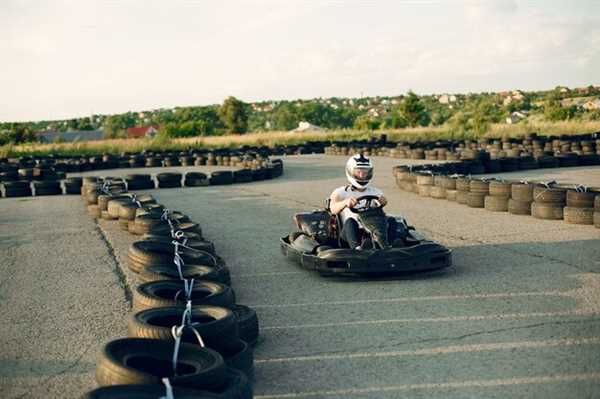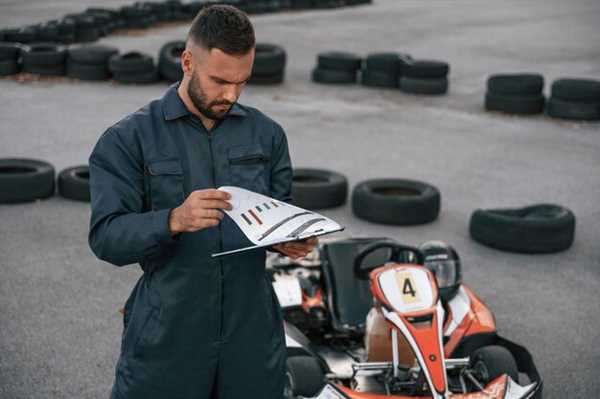
First, ensure your equipment is in top condition. Inspect your vehicle thoroughly, checking tire pressure, brakes, and fluid levels. A well-maintained machine can significantly enhance performance and reduce the risk of mechanical failure.
Next, familiarize yourself with the race rules and regulations. Understanding the guidelines will help avoid penalties and disqualifications. Each event can have specific requirements regarding safety gear, vehicle specifications, and race formats.
Practice is key; spend time honing your driving skills on the track. Simulated conditions can help you adapt to the unique characteristics of each course. Joining local clubs or attending track days can provide valuable experience and insights from seasoned racers.
Lastly, mental preparation is just as important as physical readiness. Develop a strategy for the race, focusing on your strengths while identifying areas for improvement. Staying calm and maintaining focus will contribute greatly to your performance.
Understanding Equipment Requirements for Your First Race

Focus on obtaining a reliable helmet meeting safety standards such as Snell or FIA certifications. This equipment is non-negotiable for participant protection.
Select appropriate race suits and gloves made from fire-resistant material. These items should fit snugly and allow for comfortable movement while offering maximum protection.
A well-maintained vehicle is crucial. Ensure that the engine, brakes, and tires are in optimal condition. Regular checks will prevent mechanical failures during the event.
Consider investing in proper racing shoes with anti-slip soles. These can enhance your grip and control on the pedals.
Don’t overlook safety equipment like a fire extinguisher and a roll cage if allowed in your class. These are fundamental for minimizing risks on the track.
Familiarize yourself with the regulations of the track or organization hosting the race. They may specify additional gear requirements unique to their events.
Prioritize having a pit crew or support team for strategy and assistance during practice sessions and the race itself. Their experience can contribute significantly to performance.
Lastly, keep a checklist of all required tools and spare parts to avoid surprises on race day. Simple preparations reduce stress and improve focus during the event.
Key Techniques to Practice Before Race Day
Focus on mastering car control. Spend time in various conditions, including wet and dry tracks, to improve handling skills. This practice will enhance your confidence during unexpected scenarios on race day.
Incorporate visualization techniques. Spend a few minutes daily envisioning the race, including the track layout and potential challenges. This mental preparation can boost focus and reduce anxiety.
Regularly refine your racing lines. Utilize simulations or track days to practice the ideal lines through corners and straights. Consistency in line selection contributes significantly to overall lap times.
Work on your reaction time. Employ exercises such as quick-start drills or simulator games that mimic race conditions. Improved reflexes will enhance your ability to respond to competitors and track situations swiftly.
Build physical endurance. Engage in cardiovascular workouts and strength training to ensure stamina throughout the competition. A well-conditioned body supports concentration and reduces fatigue during lengthy events.
Analyze telemetry data. If available, study previous lap data to identify areas for improvement. Utilize data-driven insights to make informed adjustments to driving style and vehicle setup.
Practice pit stops. Simulate tire changes and refueling procedures with your team. Efficient pit stops can significantly impact race performance and strategy.
Building a Race Day Routine: What to Prioritize

Prioritize rest the night before the event. Adequate sleep ensures optimal focus and performance during the race.
Plan nutrition carefully. Consume a balanced meal rich in carbohydrates and proteins to fuel energy stores. Keep snacks available for energy boosts pre-race.
Arrive early at the venue. A timely arrival allows for thorough vehicle inspections and adjustments. Familiarize yourself with the track layout and conditions.
Review the schedule of events meticulously. Know timings for practice sessions, qualifying rounds, and the main race to stay organized throughout the day.
Conduct a checklist of all necessary equipment and supplies including safety gear, spare parts, and tools. Verify that everything needed is in order before departure.
Establish a warm-up routine. Engage in mental and physical exercises to enhance concentration and reflexes right before the race.
Focus on hydration. Drink water consistently throughout the day to maintain peak physical condition, especially in high-temperature environments.
Communicate with your team efficiently. Ensure all members are aware of their roles and responsibilities during the race to ensure seamless execution.
Visualize success. Spend time imagining positive outcomes and successful maneuvers to boost confidence and reduce anxiety.
After the race, conduct a thorough debrief with your team to identify areas for improvement and celebrate achievements.