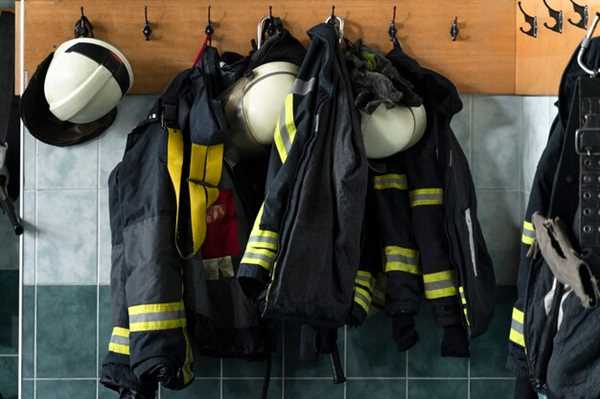
Choosing the right equipment for your car is critical for ensuring your protection while racing. Nomex suits are a great choice, providing heat resistance and breathability during intense races. Opt for multi-layered designs to maximize insulation and safety.
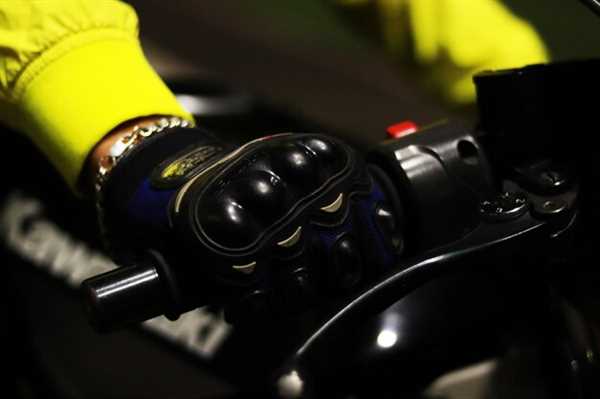
Another important aspect is the use of fire-retardant gloves and shoes. Look for models that feature aramid fibers, which offer superior flame resistance while allowing dexterity. Gloves should fit snugly, ensuring a firm grip on the steering wheel without sacrificing comfort.
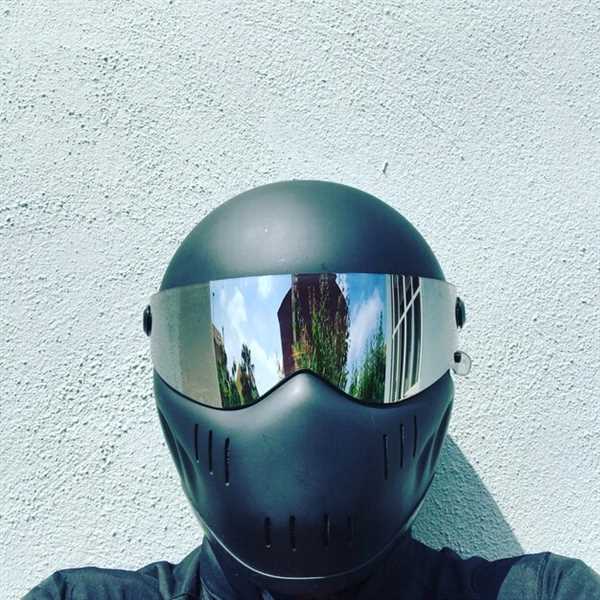
Don’t overlook the role of helmets. A quality helmet not only provides head protection but also features integrated ventilation systems to keep you cool. Make sure to select a model that meets the latest safety standards for optimal performance during races.
Investing in a reliable on-board extinguishing system can also serve as a critical line of defense. Research systems that activate automatically upon detecting flames, as well as those that comply with racing regulations.
Incorporating these safety innovations into your setup will significantly enhance your overall preparedness on the track. Always prioritize your well-being and equip your vehicle properly to tackle any unforeseen challenges during your racing experience.
Understanding Fire-Proof Suits and Their Specifications
The key element in protective attire are suits designed to withstand extreme temperatures and mitigate the risk of burns. Look for materials likeNomex and Kevlar, known for their thermal stability and resistance to high heat. These fabrics help in maintaining comfort while minimizing injury risk.
Pay attention to the suit’s rating, indicated by standards such as FIA 8856-2000 or SFI 3.2A/5, which define the level of protection and testing protocols. A higher rating correlates with better performance during a thermal event, ensuring enhanced safety for the wearer.
Construction details matter; suits should feature reinforced stitching and a snug fit to reduce the chances of flame entry. Ventilation zones are beneficial, providing airflow without compromising integrity.
Additionally, consider color and design. Lighter colors may reflect heat, potentially reducing thermal stress. Customization options, such as fit adjustments or integrated gloves and hoods, can improve comfort and reliability.
Regular inspection and maintenance are essential. Look for signs of wear, fraying, or damage, as compromised equipment loses effectiveness. After exposure to high heat, replace the suit as necessary to ensure ongoing protection.
Critical Fire-Extinguishing Systems for Racing Vehicles

Installing a properly configured suppression system is non-negotiable for any racing car. Automatic systems can significantly reduce response time during an incident, activating within seconds to address an outbreak effectively. These components often include nozzles strategically located in high-risk areas like the engine compartment and cockpit.
Foam-based agents can mitigate flames efficiently, helping to cool hot surfaces and prevent re-ignition. Many teams opt for systems that deploy a blend of water mist or dry chemicals, offering versatility in handling various combustion types encountered on the track.
Manual extinguishing devices should always accompany automatic systems. Lightweight handheld extinguishers must be easily accessible to drivers and crew members, empowering them to act immediately if necessary. Regular training and familiarisation with this equipment ensure readiness in high-pressure scenarios.
Periodic maintenance of all extinguishing equipment is crucial. Check pressure levels, inspect expiration dates, and ensure nozzles remain unobstructed. Regular drills can also solidify the protocols and procedures for operating the equipment effectively.
Adopt a multi-layered approach by integrating various suppression technologies to form a more robust defense against possible incidents. Consideration of the specific design and build of each car will help in selecting the most aligning systems.
Choosing the Right Fire Safety Equipment for Your Race Team
Select high-quality suppression systems designed to extinguish flames rapidly. Choose those that can be activated manually or automatically, ensuring immediate response to incidents.
Invest in specialized clothing made from fire-retardant materials. Look for suits, gloves, and footwear that meet recognized safety standards, providing maximum protection during events.
Equip the pit area with adequately sized extinguishers. Ensure they are rated for flammable liquids and are easily accessible. Monthly checks on their pressure and serviceability are mandatory.
Implement a training program for all team members. Regular drills enhance familiarity with equipment usage and evacuation procedures in case of emergencies.
Selecting a reliable communication system to report incidents swiftly can be a lifesaver. Incorporate items such as radios that function in high-stress environments where immediate contact is crucial.
Consider installing suppression blankets and barriers within your setup to contain potential hazards. Quick access to these tools can prevent small fires from escalating.
Evaluate the layout of your workspace. Ensure that pathways to exits and access to essential equipment are clear and unobstructed. Regularly review these arrangements to adapt to changes or improvements in your operations.
Assess all tools and machinery for potential risks, incorporating safeguards such as emergency shut-offs and automatic fail-safes. This reduces the likelihood of incidents that could lead to fire outbreaks.