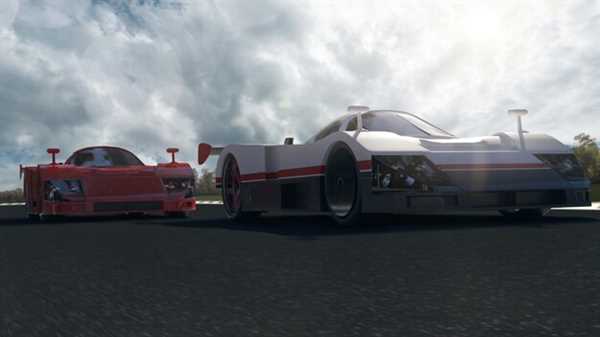
Explore the impressive lineup of automobile manufacturers that are set to make significant advances in motorsport for the upcoming year. With rapid technological innovation and commitment to performance, these car producers will capture the attention of enthusiasts and professionals alike.
Porsche continues to demonstrate remarkable prowess with its electric vehicle program, integrating high-performance features that enhance racing capabilities. Anticipated advancements in battery technology are likely to elevate their competitive edge on the track.
Ferrari is gearing up to impress with its new hybrid models, merging tradition with cutting-edge technology. Their commitment to sustainability while maintaining top-tier performance will redefine expectations in motorsport.
Keep an eye on Mercedes-Benz, as the brand pushes the boundaries of aerodynamics and engineering. Their innovative designs and focus on hybrid powertrains are expected to make waves in races worldwide.
Top Emerging Teams and Their Impact on Performance
Dynamic organizations such as RBR Innovations and Apex Racing are poised to challenge traditional competitors with their innovative approaches. RBR Innovations utilizes advanced aerodynamics and lightweight materials in their vehicles, enhancing speed and maneuverability. Apex Racing focuses on data analytics to optimize performance and tire usage, giving them a competitive edge on track.
Another noteworthy contender is FutureTech Motorsports, integrating cutting-edge electric propulsion systems, showcasing increased efficiency and reduced environmental impact. Their strong partnership with tech firms allows them to harness data-driven strategies, improving lap times significantly.
Additionally, Velocity Racing is making strides by prioritizing driver feedback in car development, which streamlines performance enhancements tailored to individual needs. This strategy has resulted in improved communication between engineers and drivers, leading to on-track successes that have surprised more established rivals.
Investments in these new teams indicate a shift in the market, as sponsors recognize the potential of these organizations to disrupt the status quo. Supporters of fresh talent often experience the thrill of witnessing the rise of future stars in the sport.
As competitive balance shifts, monitoring the advancements of these new organizations will be crucial for anyone interested in the future of racing. Their cars, techniques, and strategies will set new benchmarks for performance in the industry.
Innovative Technologies in Motorsport Cars for 2025
Focus on hybrid powertrains that combine internal combustion engines with electric motors for improved efficiency and performance. Brands innovating in this space, like Audi and Ferrari, are leading the way with their latest models featuring advanced energy recovery systems.
Augmented reality (AR) is becoming a key element in driver assistance systems. Teams are integrating AR displays in helmets to provide real-time data on vehicle performance, tire conditions, and track information. Companies like McLaren are making significant strides in this area, enhancing the driver’s situational awareness.
Lightweight materials such as carbon fiber and advanced composites are essential to improve speed and handling. Research into nanomaterials is gaining traction, promising even lighter and more durable components for high-performance vehicles. Manufacturers like Mercedes-Benz are at the forefront of these developments, creating stronger chassis without adding weight.
Active aerodynamics will be increasingly utilized, allowing vehicles to adjust their airflow in real time for better downforce and drag reduction. Teams such as Red Bull Racing are pioneering mechanisms that adapt wing angles based on speed and cornering forces, optimizing performance on the track.
Data analytics and artificial intelligence (AI) are set to redefine racing strategies. Real-time tracking of vehicle systems and predictive maintenance models will allow engineers to fine-tune performance during races. Companies like Renault are leveraging big data to enhance vehicle setups and driver strategies, contributing to smarter decision-making in pit stops and race tactics.
Consumer Trends Shaping the Future of Racing Merchandise
Data suggests a significant shift towards eco-friendly and sustainable products within the automotive sector. Consumers now expect merchandise made from recycled materials and ethically sourced components, reflecting their commitment to environmental responsibility. Brands that integrate sustainability into their offerings are likely to gain a competitive edge.
The rise of personalization is reshaping how enthusiasts engage with their favorite racing teams. Merchandise that allows for customization–be it through colors, designs, or even tailored fit–appeals strongly to consumers looking to express their individuality. This trend supports loyalty and drives repeat purchases.
Another notable trend is the integration of technology into racing products. Augmented reality experiences and smart wearables are capturing attention, creating an immersive connection between fans and their beloved sport. Partnerships with tech firms can enhance these offerings, providing unique value.
Collaborations with lifestyle brands are expanding the reach of racing goods beyond traditional fans. By associating with popular clothing lines or influencers, automotive companies can tap into new demographics. This strategy not only broadens audience appeal but also drives brand visibility.
Social media plays a pivotal role in shaping consumer preferences. Engaging content that showcases merchandise in action, behind-the-scenes footage, or interactive promotions can stimulate interest. Brands leveraging platforms like Instagram and TikTok effectively can create heightened brand awareness and engagement.
Lastly, the focus on quality over quantity remains paramount. Shoppers are inclined towards durable and timeless pieces rather than fast fashion items. Investing in high-quality merchandise that withstands the test of time can foster long-term customer relationships and drive brand loyalty.