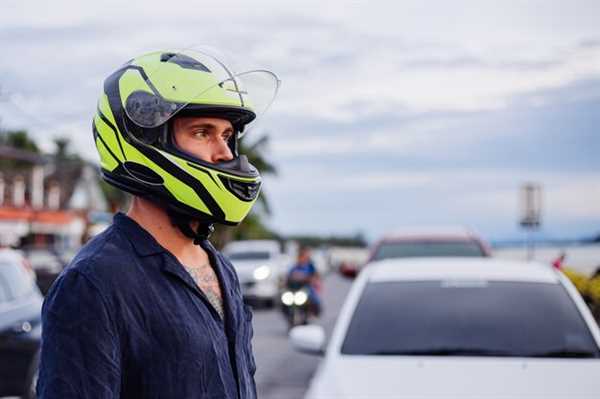
For any racing enthusiast, the selection of protective apparel is paramount. Investing in high-quality, specialized clothing and accessories significantly reduces the risk of injury during high-speed events. The latest offerings in this niche combine innovative materials and cutting-edge design to create a barrier against impacts and extreme temperatures.
Modern fire-resistant suits have seen improvements in terms of weight and breathability, enabling drivers to maintain focus and comfort throughout the race. Look for garments constructed from materials like Nomex or Kevlar, which not only provide flame resistance but also enhanced durability and flexibility.
The role of helmets cannot be overstated; a well-fitted, lightweight helmet equipped with advanced communication systems allows drivers to stay connected while ensuring their heads are shielded from fatal impacts. Consider models that feature multi-density foam liners and enhanced visor systems for optimal visibility and protection against debris and weather conditions.
Boots and gloves are other critical components of a driver’s ensemble. Seek out models that offer superior grip, heat resistance, and robust ankle support. Innovative designs often incorporate anti-slip soles and materials that facilitate better tactile feedback for controlling vehicles. Prioritizing these advancements can make the difference between a thrilling experience and a catastrophic event on the track.
Advanced Materials in Racing Suits and Their Impact on Driver Safety
Modern racing suits utilize high-performance fabrics like Nomex, which offer exceptional heat resistance while remaining lightweight. This combination significantly reduces the risk of burns during accidents.
Additionally, the incorporation of Kevlar fibers enhances tensile strength, protecting against abrasion in high-speed collisions. These materials contribute to overall durability, ensuring that the driver is shielded from sharp objects and debris on the track.
Water-repellent coatings are now standard in racing suits, allowing for comfort during wet conditions while preventing water absorption that could add weight or chill the driver.
Reflective technology integrated into the fabric assists in enhancing visibility. This innovation is particularly beneficial during night races where low light conditions pose additional risks.
The ergonomic design of contemporary racing apparel, often enhanced with materials like elastane, provides improved flexibility. This enables drivers to maintain full range of motion without compromising on fit or comfort.
Furthermore, layering techniques enable the incorporation of fire-resistant barriers, thereby adding an additional line of defense without increasing bulk. These multi-layered approaches are key to balancing comfort and security.
Advanced moisture management systems excel in wicking away sweat, keeping drivers dry and focused, which can decisively impact performance and alertness during races.
Integration of Technology in Helmets for Improved Crash Detection
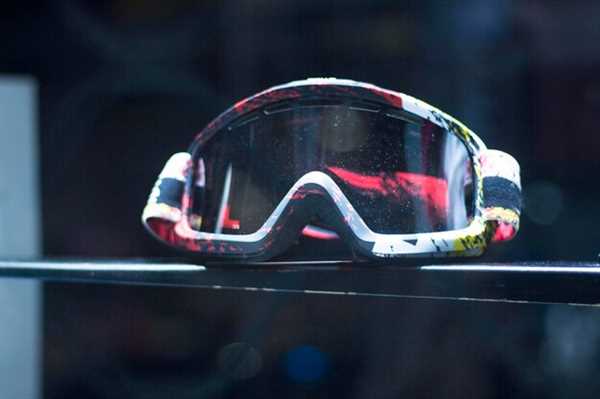
Smart helmets equipped with advanced sensors significantly enhance crash detection in racing scenarios. These devices can monitor impact forces and provide real-time data to teams, enabling swift medical responses.
Using accelerometers and gyroscopes, these helmets measure linear and rotational forces during collisions. The collected data can trigger alerts, informing pit crews about the driver’s condition instantly.
Some models incorporate GPS technology to track movements on the track. This feature aids in analyzing the events leading up to an accident, providing insights for future improvements.
Advanced communication systems, such as integrated audio and visual interfaces, allow drivers to receive immediate feedback from engineers regarding their performance and any potential hazards, aiding in overall safety.
Another key development is the application of lightweight materials that maintain high levels of durability. This innovation ensures that helmets not only protect against impacts but also remain comfortable for extended periods.
Collectively, these technological advancements in helmet design create a more secure environment for racers, potentially reducing the incidence of severe injuries significantly.
Evaluating the Effectiveness of New Fire-Resistant Enhancements in Gloves and Boots

Testing fire-resistant attributes in gloves and boots has revealed significant improvements. Modern materials, such as Nomex and Kevlar, show superior resistance to heat and flames, offering enhanced durability during high-risk situations.
Laboratory assessments indicate that gloves featuring multiple layers of these innovative textiles can withstand temperatures up to 600 degrees Fahrenheit without compromising tactile sensitivity. This is critical for drivers needing precise control in emergency scenarios.
Boot designs incorporating fire-resistant components not only protect against extreme temperatures but also reduce slip risks due to improved grip on various surfaces. Manufacturers have integrated specialized soles that maintain flexibility while providing robustness, enabling better foot maneuverability during critical moments.
Real-world case studies demonstrate that athletes utilizing these advanced products have experienced a reduction in burn injuries. Feedback highlights comfort and fit, ensuring that performance remains uncompromised while maintaining high safety standards.
Regular evaluations and user feedback should guide future designs. Implementing rigorous testing protocols will sustain the progression of protective features, ensuring continuous enhancement of functionality and reliability in critical moments on the track.