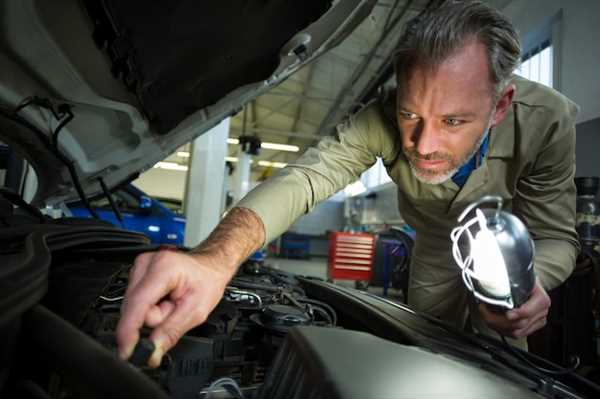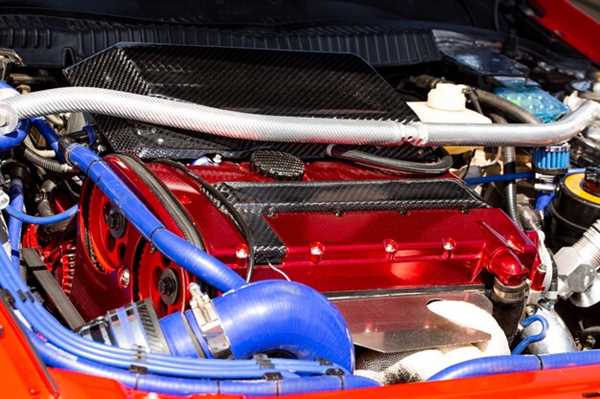
To achieve superior outcomes on the track, calibrating your engine control unit is fundamental. Adjusting fuel maps and ignition timing can lead to significant gains in throttle response and power delivery. Focus first on optimizing air-fuel mixtures to enhance combustion efficiency, which directly affects acceleration.
Next, integrating high-performance sensors can provide real-time data, allowing for precise adjustments. These modifications enable fine-tuning of critical operational parameters, ensuring that the engine runs at its best under competitive conditions. Consider also the potential of aftermarket software that offers increased adjustability beyond factory settings.
Cooling systems play a methodical role in maintaining optimal temperatures during intense racing. By modulating fan control and coolant flow via your custom settings, you can prevent overheating and ensure sustained power throughout the race. Attention to these details can make the difference in achieving top results.
Don’t overlook the electrical components. Upgrading to a more robust ignition system can result in improved spark efficiency, which complements your tuning efforts. A well-rounded approach that addresses both the mechanical and electronic aspects will provide a holistic boost to your race-ready setup.
Optimizing Air-Fuel Ratios for Maximum Power Output

Achieve a stoichiometric ratio of approximately 14.7:1 for gasoline to ensure complete combustion and enhance power delivery. Adjustments based on engine load and RPM are necessary; leaner mixtures (up to 16:1) can be beneficial at higher throttle openings, while richer mixtures (around 12.5:1) support boost applications and high-performance scenarios.
Utilize wideband O2 sensors for precise monitoring of air-fuel ratios. This enables real-time feedback and adjustment, ensuring optimal combustion efficiency across varying conditions. Consider employing advanced fuel management systems that allow dynamic calibration under different operating environments.
Implement data logging to track performance metrics. Analyze how changes in air-fuel ratios affect power output, throttle response, and emissions. This data drives informed decisions for further adjustments, tailoring your setup closely to specific racing requirements.
Balance the mixture to avoid excessive heat and engine knock. Lowering temperatures in combustion chambers not only protects components but also enhances sustained horsepower. Regularly inspect spark plugs and exhaust for signs of incorrect mixtures, making corrections as needed.
Experiment with injector sizing and fuel pump capacity to provide adequate fuel flow while maintaining the desired air-fuel ratios. Larger injectors may be necessary for increased performance modifications, allowing the engine to breathe and perform optimally under high-stress conditions.
Lastly, keep in mind the effects of ambient conditions on air density and engine tuning. Adjust fuel mixture based on temperature and elevation to ensure consistent power output, maximizing efficiency and performance in all racing environments.
Adjusting Ignition Timing for Improved Throttle Response
Advance ignition timing by 2 to 4 degrees to enhance throttle response significantly. This adjustment can lead to quicker acceleration and more immediate power delivery. Monitor exhaust gas temperature to prevent engine knock, implementing a knock sensor for feedback. Test the changes on a dynamometer to ensure optimal power gains without sacrificing reliability.
Utilize engine management software to make precise adjustments. Incremental changes allow for more controlled testing of various timing maps. Focus on the mid-range RPM zone where throttle responsiveness is most critical, often between 3000 to 5000 RPM.
Pay attention to fuel quality, as higher octane can handle aggressive ignition settings. Adjusting the air-fuel ratio to slightly richer can help mitigate potential knock while retaining performance gains. Continuous logging during tests will provide data to refine timing settings further.
Consider environmental factors, such as temperature and humidity, that can affect combustion characteristics. Fine-tuning timing based on real-time conditions can maximize throttle response effectiveness.
Tuning Rev Limits and Speed Governors for Track Performance
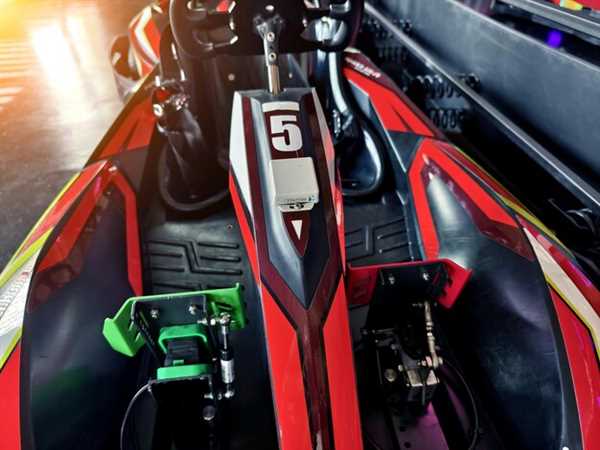
Adjust rev limits to optimize engine output. For high-performance applications, set the redline closer to the engine’s maximum safe RPM. Consider a 1,000-2,000 RPM increase for racing scenarios, ensuring reliability under extreme conditions.
Reduce speed governors to eliminate power restrictions. When engaging in track events, remove or raise electronic limits to allow for maximum acceleration. Aim for a setting that matches the track’s length and layout, balancing speed and control.
Implement gradual throttle response. Fine-tune mappings to enhance driver feedback during acceleration, ensuring that power delivery is smooth yet aggressive. Test on the track to find the sweet spot that complements driving style.
Utilize dyno testing for accurate adjustments. Monitor power curves to see where modifications yield the best results. This analysis provides insight into the performance envelope and guides appropriate rev limit settings.
Incorporate data logging to assess real-time performance. Track speed, RPM, and throttle position to make informed decisions on adjustments. Analyze data post-session to identify any areas needing further refinement.
Consult manufacturer guidelines regarding components to prevent engine damage. Understand the parameters of injectors, turbos, and ignition systems to complement modifications without risk. Always prioritize reliability alongside enhancements.