
To stay informed and engaged, enthusiasts must follow platforms that deliver timely and insightful updates. Subscribing to dedicated channels ensures access to a continuous stream of relevant developments. Utilize social media for real-time interactions with teams and drivers, enhancing the understanding of ongoing events.
Embrace advancements in technology for an enriched experience. Streaming services and interactive applications now provide unparalleled access to live races, stats, and driver insights. By leveraging these tools, fans can immerse themselves more deeply in the excitement surrounding competitions.
Additionally, analyzing data-driven articles can reveal patterns and changes in race strategies. Following analytics-focused websites may offer a competitive edge for those keen on understanding the technical aspects. Engage actively with communities discussing these insights to broaden perspectives and stay ahead of emerging trends.
Emerging Digital Platforms for Motorsport Coverage
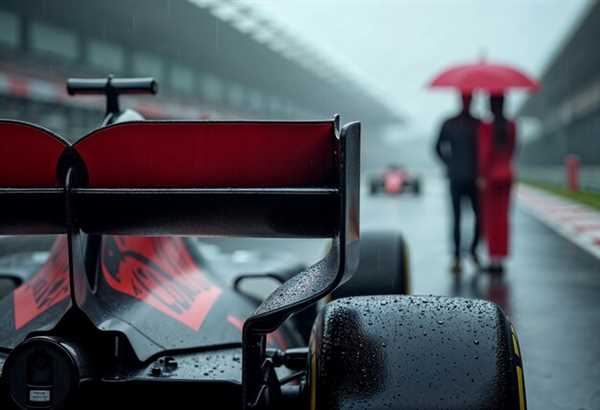
Utilizing platforms like Twitch and YouTube Live offers a dynamic approach for reaching wider audiences during races. Leveraging these tools can significantly enhance viewer engagement through interactive features such as live chats and polls.
Social media is transforming how fans consume content about racing events. Platforms like TikTok and Instagram Reels, with their short-form video capabilities, allow teams and drivers to share behind-the-scenes content that resonates well with younger demographics.
- Twitch: Live streaming allows fan interaction, driving real-time engagement.
- YouTube: Extensive video libraries provide race highlights and driver interviews, enhancing discovery.
- Discord: Serves as a community hub where enthusiasts can discuss events in real-time, fostering deeper connections.
- Podcasts: Offer informal discussions and insights that appeal to dedicated fans seeking in-depth coverage.
Analyzing viewer preferences on these platforms can guide content creation strategies, ensuring alignment with audience interests. Engaging influencers to amplify reach is another trend; they bring their followers into the racing conversation.
Adopting analytics tools can provide data on viewer habits, enabling a more tailored approach to coverage that can adapt as audience needs change. Emphasizing storytelling in coverage, rather than solely focusing on statistics, can create a more relatable experience for fans.
Influence of Social Media on Fan Engagement in Motorsport
Utilize interactive platforms like Instagram and Twitter for real-time updates and fan interactions. Encouraging followers to share race-day experiences and behind-the-scenes content creates a sense of community among enthusiasts.
Leverage live streaming features to provide exclusive insights during events. Utilizing polls and Q&A sessions substantially increases participation and allows fans to connect with their favorite teams and drivers directly.
Adopt user-generated content campaigns, inviting fans to contribute their own photos and videos. This approach not only boosts engagement but also enhances brand loyalty as users feel more integral to the sport’s narrative.
Monitor trending topics and hashtags to align messaging with current conversations. Responding promptly to fan comments and questions fosters a two-way dialogue, making fans feel valued and enhancing their overall experience.
Analyze engagement metrics to determine what content resonates most with supporters. Tailoring future posts based on this data will maintain interest and promote consistent engagement, ensuring a dynamic connection between the sport and its audience.
Data-Driven Insights: Enhancing Journalism in Motorsport Reporting
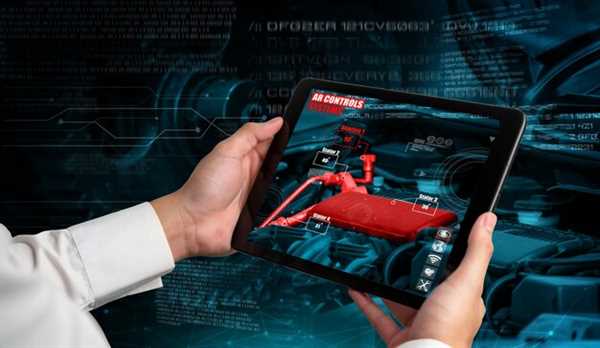
Utilize analytics tools to track audience engagement across platforms. Metrics such as click-through rates, time spent on articles, and social media shares can inform content creation strategies that resonate with fans.
Implement heat maps to visualize reader interaction with articles. This can highlight which sections capture attention and inform writers where to place key information effectively.
Leverage predictive analytics to anticipate trending topics by analyzing historical data. Understanding what fans are searching for enables writers to stay ahead of the curve in content production.
Incorporate real-time updates and data feeds during events. Live statistics, driver performance metrics, and team standings enhance reporting quality and keep audiences informed promptly.
Focus on multimedia integration using data visualizations and infographics. Illustrating complex statistics can make intricate details more accessible to readers, fostering better understanding.
Engage with social listening tools to gauge fan sentiment around teams and drivers. This insight can shape narratives, highlight story angles, and enhance overall audience connection.
Collaboration with data scientists can enhance storytelling through detailed analyses of race strategies and outcomes. Providing deeper context enriches the narrative and engages enthusiasts with factual backgrounds.
Regularly evaluate content performance to refine reporting techniques. A/B testing headlines and formats helps identify successful approaches, ensuring continuous improvement in article quality.
Embrace audience feedback through surveys and comments. Understanding reader preferences aids in tailoring content that meets the interests and needs of dedicated followers.