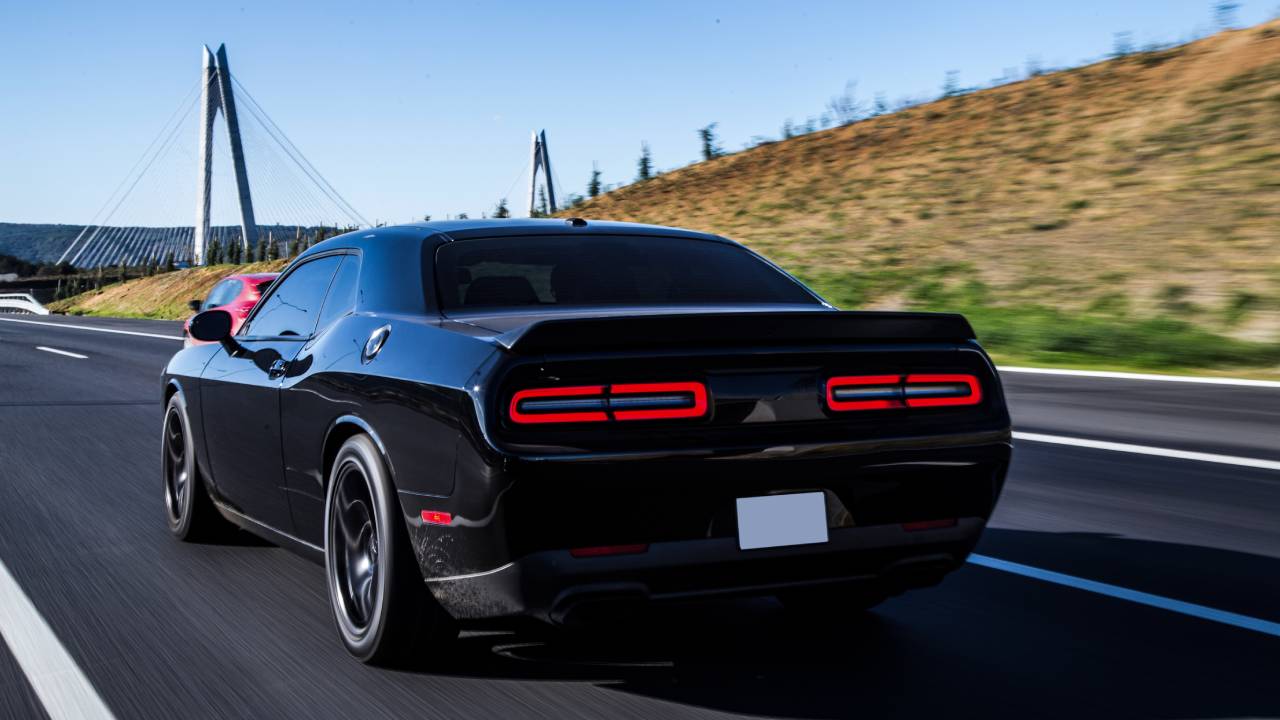
Opt for a performance-oriented sedan if speed and agility top your priorities. With a lower center of gravity and lighter weight, these vehicles excel in handling and cornering, making them ideal on tight tracks. Their aerodynamic design often translates into better acceleration and braking capacities, crucial in competitive settings.
Conversely, consider a robust SUV if versatility and off-road capability are essential. These vehicles provide higher ground clearance and enhanced traction, allowing for a strong performance on varied terrains. Their powerful engines can deliver impressive torque, advantageous in certain racing scenarios like rally competitions.
Evaluate your preferences for driving experience and terrain. If racing predominantly occurs on paved circuits, a sleek sedan is likely the optimal pick. For those focused on events featuring off-road elements, a well-equipped SUV can perform admirably, showcasing its reliability and power.
SUVs or Sedans for Motorsport: Which is the Better Choice?
Opt for sedans if agility, lower weight, and enhanced handling are top priorities. Their aerodynamic design significantly reduces drag, fostering quicker acceleration and responsiveness during tight turns.
Choose an SUV when off-road capabilities and a commanding driving position are essential. Modern models often come equipped with advanced performance features, enabling impressive power delivery and stability on rugged terrain.
Evaluate your specific requirements. If track performance is paramount, a sedan offers superior cornering abilities and precise steering. Comparatively, an SUV can handle diverse conditions and provide ample cargo space. Analyze factors like suspension tuning, power-to-weight ratio, and available technologies to make an informed decision.
Performance Comparison: Acceleration and Handling in Sedans vs. SUVs

For optimal acceleration and handling, sedans generally outperform their bulkier counterparts. Their lighter weight and lower center of gravity contribute to superior dynamics on both straightaways and curves.
Key performance factors include:
- Acceleration: Compact design allows for quicker power delivery. Typical sedans achieve 0-60 mph times in the range of 4 to 6 seconds, whereas larger vehicles often lag behind with times averaging around 7 to 9 seconds.
- Cornering: The lighter frame enhances maneuverability. Sedans exhibit less body roll, enabling tighter turns, which is crucial in competitive environments.
- Weight Distribution: Balanced weight distribution in sedans results in improved traction and stability. This feature allows for consistent handling through various driving conditions.
Test results show that vehicles weighing under 3,500 pounds generally maintain better acceleration metrics on closed tracks. Those looking for race-focused options should prioritize models equipped with performance tuning features to enhance steering response and braking capability.
Some recommended models known for their agility include:
- BMW M3
- Audi RS5
- Mercedes-AMG C63
Selecting lightweight options with modern engineering leads to improved lap times and driver confidence. Numerous enthusiasts and competitors favor these agile models for a reason; they deliver precision when pushing performance limits.
Cost Analysis: Maintenance and Upkeep for Motorsport-Ready Vehicles
Choose a racing-type vehicle with reliability in maintenance. Focus on parts availability, labor rates, and tuning expenses. Consider the complexity of the drivetrain; simpler configurations reduce upkeep costs. For off-road ready models, inspect the suspension and differential components, as they face immense wear.
Routine servicing often includes oil changes, brake pads, tire replacements, and suspension adjustments. A model designed for aggressive use may require more frequent attention, particularly in high-stress environments. Budget for semi-annual inspections to address wear and tear adequately.
Insurance varies substantially by model type. Comprehensive coverage can be pricey for vehicles tailored for high performance. Shop around for competitive rates that factor in the vehicle’s intended use, and assess if specialized motorsport insurance can be more beneficial.
Fuel consumption should also influence your choice. Higher-powered models typically have elevated fuel costs, particularly in competitive settings. Research average MPG ratings and compare them against performance needs.
Lastly, consider aftermarket modifications. While enhancing performance, they can significantly hike maintenance expenses. Evaluate the long-term value of upgrades versus their immediate benefits. Balancing modifications with maintenance can yield efficiency in both performance and costs.
Driver Experience: Comfort and Control in Different Racing Environments
For circuit racing, compact models excel due to their lower center of gravity, enhancing stability and cornering precision. The lightweight frames contribute to quicker acceleration, allowing drivers to navigate tight turns with agility.
In off-road scenarios, certain options provide elevated ground clearance, which aids in traversing rugged terrains. A robust suspension system ensures a smooth ride over bumps, while ample torque can power through challenging obstacles easily.
During endurance events, driver comfort plays a significant role. Vehicles designed with supportive seating and ergonomic layouts reduce fatigue over long periods of competition. Noise insulation in some models contributes to a quieter cabin, improving focus and concentration.
For track days, responsive steering systems are crucial. Models featuring electronic power steering adjustments enhance feedback, allowing for better handling and control at high speeds. Enhanced braking systems provide reliability, ensuring consistent performance when precision stopping is necessary.
Weather conditions also influence driver experiences. Certain variants with all-wheel-drive capabilities provide superior traction on slippery surfaces, boosting confidence in adverse conditions. Conversely, rear-wheel-drive designs may deliver a more dynamic feel, especially on dry tracks.