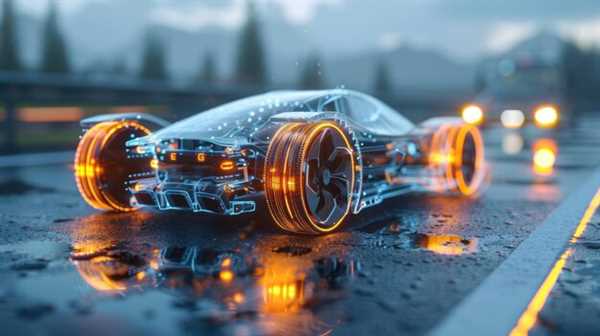
Implement advanced simulation tools to enhance vehicle performance. Harness predictive analytics to anticipate track conditions and driver behavior, enabling teams to make real-time adjustments. Utilize augmented reality applications for quick access to data, allowing engineers and drivers to analyze performance metrics instantly.
Focus on sustainable fuel options to reduce environmental impact. Explore hydrogen and biofuels as alternatives to traditional gasoline, aligning commercial interests with eco-friendly practices. Collaborate with energy companies to innovate in power generation methods that benefit pit stops and overall race strategies.
Invest in lightweight materials like graphene and carbon-fiber composites for vehicle construction. These options can significantly improve speed and handling, while also increasing safety through enhanced durability. Prioritize research in nanotechnology to create smart fabrics for driver suits that monitor vital signs and environmental conditions.
Engage in cross-disciplinary partnerships with tech firms to accelerate the development of autonomous systems. These innovations can refine pit stop strategies and optimize race day operations. Implement data-driven decision-making frameworks to derive insights from telemetry, enhancing competitive advantages on the track.
Advancements in Aerodynamic Designs for Enhanced Performance

Integrating computational fluid dynamics (CFD) in the design phase enables precise predictions of airflow behavior around vehicles. Implementing advanced simulation tools aids engineers in crafting shapes that minimize drag and maximize downforce, which translates to improved lap times.
Utilizing adjustable aerodynamic elements, such as active wings, allows teams to fine-tune downforce levels dynamically based on track conditions. This adaptability is critical for optimizing performance throughout varying circuit layouts.
Incorporating lightweight composite materials into aerodynamic components enhances structural integrity while reducing weight. This shift not only improves speed but also enhances fuel efficiency, crucial for endurance races.
Implementing vortex generators and other subtle modifications at strategic locations significantly influences airflow patterns. These enhancements create a more stable wake, reducing turbulence and enhancing vehicle stability during high-speed maneuvers.
Collaborating with aerodynamics experts to develop tailored solutions for specific tracks can yield substantial performance gains. Understanding the unique demands of each venue allows for targeted aerodynamic tweaks, ensuring cars perform their best in diverse conditions.
Investing in wind tunnel testing remains a valuable practice, complementing simulation efforts. Real-world data enhances model accuracy and leads to better-informed design choices.
Exploring bio-inspired designs, mimicking natural forms like fish or birds, offers fresh perspectives on aerodynamic efficiency. These concepts can lead to groundbreaking shapes that push the boundaries of traditional design paradigms.
Integration of AI and Machine Learning in Race Strategy Optimization
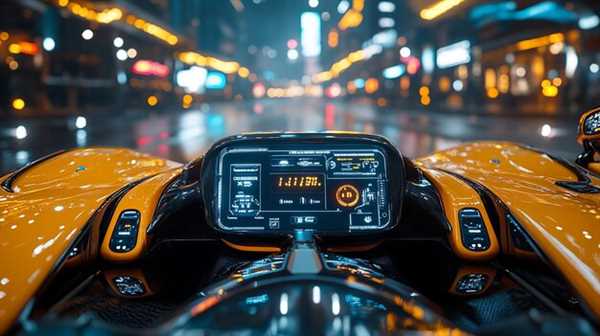
Teams should adopt predictive analytics to enhance decision-making during races. By analyzing historical data, AI can forecast tire degradation, fuel consumption, and optimal pit stop timings, minimizing guesswork.
Utilizing real-time data assimilation allows engineers to track competitors’ performance and adapt strategies on the fly. Implementing neural networks can help in refining race simulations, revealing the impact of different variables on race outcomes.
Leveraging reinforcement learning algorithms will enable continuous improvement of race strategies. This method allows AI to learn from past decisions, optimizing future tactics based on observed successes and failures.
Integrate sensor data to monitor track conditions and car performance in real-time. AI systems can process this information rapidly, suggesting immediate adjustments to enhance speed and maneuverability.
Collaborating with data scientists to fine-tune models will ensure the accuracy of forecasts. Incorporate machine learning techniques to categorize performance metrics and identify trends that can be exploited during competition.
Develop user-friendly dashboards that visualize insights derived from AI, allowing team members to access crucial data quickly. This will facilitate faster decision-making and alignment across teams during critical moments.
Establishing a feedback loop where AI insights are regularly assessed and adjusted will not only improve accuracy but also enable teams to stay ahead of the competition by adapting strategies proactively.
Development of Sustainable Fuel Alternatives for Motorsport Events
Utilize biofuels derived from agricultural waste and non-food crops to reduce environmental impact. These fuels can achieve similar performance levels as traditional options while significantly lowering carbon emissions.
Implement synthetic fuels produced from carbon capture and renewable energy sources. These alternatives can be tailored to match existing engine specifications, ensuring compatibility without major modifications.
Encourage partnerships with startups focused on fuel innovation. Collaborations can lead to breakthroughs in fuel formulation that enhance combustion efficiency and lower pollutants.
Invest in research for hydrogen fuel cells as a viable power source. Hydrogen, when generated from renewable sources, can offer a zero-emission solution for high-performance racing.
Adopt regulations promoting the use of 100% renewable fuels, motivating teams to transition away from fossil fuels swiftly. This shift can create a competitive edge and showcase a commitment to sustainability.
Engage fans by creating educational programs highlighting the benefits of sustainable fuels. Interactive sessions can enhance awareness and support for transitioning to greener alternatives in the sport.
Leverage advancements in fuel monitoring tech to analyze the performance benefits of sustainable options in real-time. Data-driven insights can prove the efficacy of these alternatives during races.