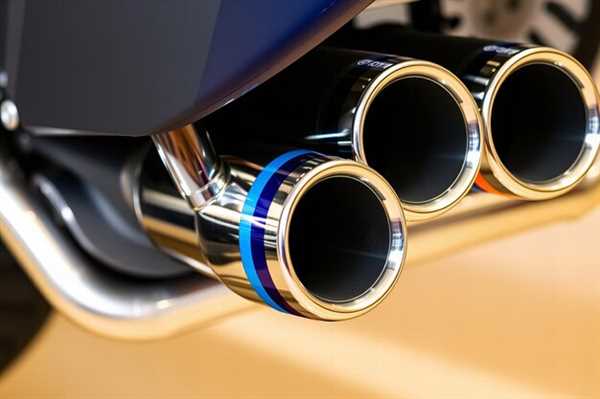
Selecting a high-quality muffler setup can lead to a noticeable increase in engine efficiency, enhancing overall speed and power output. Prioritize materials such as stainless steel for longevity and reduced weight while selecting components that improve gas flow, minimizing back pressure.
Consider an anti-reversion design to prevent exhaust gases from flowing back into the combustion chamber, which can result in a loss of performance. Features like larger diameter pipes contribute to better airflow, but ensure the diameter complements engine specifications to avoid sacrificing torque.
Sound can also be a crucial factor; select a configuration that aligns with your competitive environment regulations while maximizing the aggressive tone that motorsport enthusiasts desire. Testing different setups on a dyno can provide real-time data, enabling precise adjustments for peak performance.
Understanding Exhaust System Types and Their Impact on Performance

For optimal performance, consider using a cat-back configuration, which enhances exhaust flow and minimizes back pressure. This type boosts horsepower and torque by improving gas expulsion efficiency.
Invest in long-tube headers that replace restrictive factory manifolds. These headers increase flow and provide a significant power increase in high-revving applications, allowing for quicker throttle response.
Mandrel-bent tubing ensures smooth exhaust flow. Avoid crush bends, as they create turbulence and may hinder maximum performance potential. Larger diameter pipes often lead to reduced back pressure, suitable for high-performance builds.
Mid-pipes equipped with an H or X crossover balance exhaust pulses, enhancing scavenging and improving overall engine efficiency. This setup can lead to better response and increased gains across the RPM range.
Material choice also plays a role. Stainless steel is preferred for its durability and resistance to corrosion, while titanium offers weight savings, contributing to improved acceleration and handling.
Finally, muffler selection affects sound and performance. Performance mufflers typically reduce restrictions, allowing for a more aggressive sound profile while maintaining or enhancing power output.
Key Factors to Consider for Material and Design Selection

Stainless steel ranks highly for durability and corrosion resistance, making it a popular choice. Its ability to withstand high temperatures without degrading is vital in race environments.
Aluminum, while lightweight, may not provide the same longevity under extreme conditions but offers significant weight savings. For applications where reducing mass is critical, alloy options can be considered.
Consider mandrel bending in the design process to ensure smooth transitions and optimal flow, minimizing turbulence and enhancing performance. Custom configurations can also improve fitment and clearance issues in tight chassis spaces.
Integration of resonators can help in managing sound levels, balancing performance with noise regulations that might be enforced during events.
Welding methods such as TIG or MIG influence the strength of joints; choose processes that guarantee integrity under stress. Flange designs should allow for easy replacement and maintenance, ensuring longevity.
Surface treatments, such as ceramic coatings, enhance thermal management and can provide additional protection against corrosion, extending the lifespan of components.
Tuning Your Exhaust for Specific Motorsport Applications
Select a diameter that matches your vehicle’s engine output. For a naturally aspirated engine, a 2.5” to 3” setup is typically optimal. Turbocharged units may benefit from a 3” to 4” configuration to reduce backpressure.