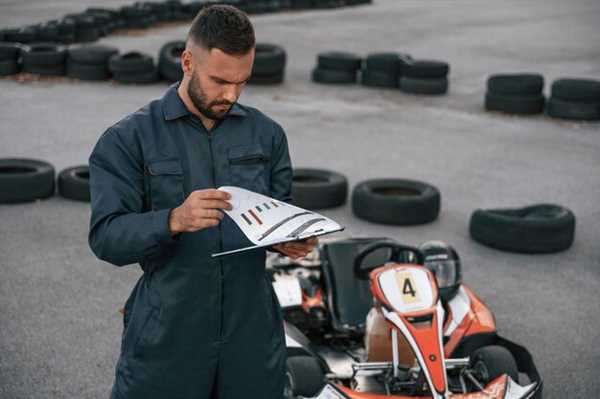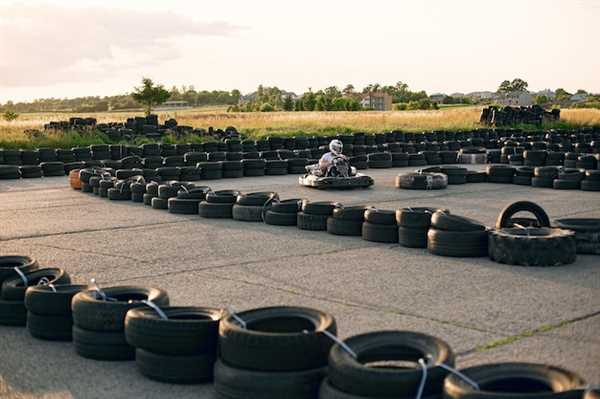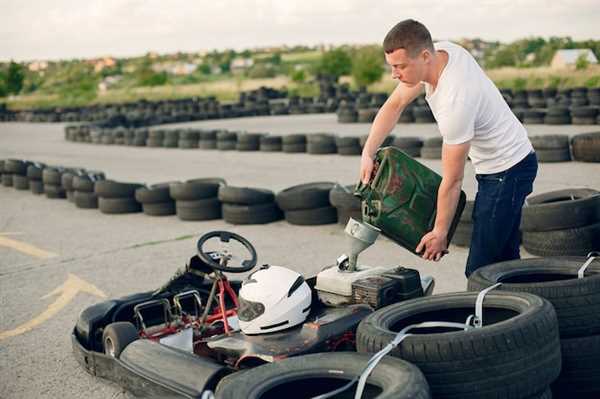
For true enthusiasts, attending a race is just the beginning. Engage with crew members and engineers to gain a deeper understanding of strategies that shape each round. Observing tire changes and fuel management can provide a unique perspective on what keeps teams competitive.
Analyzing real-time data feeds during races reveals how technology enhances vehicle performance. Familiarize yourself with telemetry systems that monitor everything from engine temperature to tire pressure, offering unparalleled insights into decision-making processes during critical moments.
Explore the dynamics of team communication; mechanics and drivers rely on precise instructions to optimize their efforts on track. Learning the lingo and signals that guide performance can enhance your appreciation for the sport and its intricacies.
The Role of Pit Crews in Race Strategy Execution
Precision in pit stops determines race outcomes. Each crew member must know their specific task–tire changes, refueling, and adjustments–down to the millisecond. For instance, during a Formula 1 race, a well-executed tire change can take less than 2.5 seconds. This highlights the importance of practice and coordination.
Analyzing data from previous races is key. Insights gathered about tire performance and fuel consumption allow crews to make informed decisions during races. Adjusting strategies based on real-time telemetry data can shift the momentum in favor of a team.
Communication is paramount. A crew leader must relay vital information to drivers about track conditions, competitor strategies, and pit lane traffic. This ensures decisions made within the pit are timely and align with the driver’s needs on the track.
Strategic planning before a race involves assessing weather forecasts and understanding track characteristics. A pit crew must develop contingency plans aligning their strategies with the expected scenarios. Flexibility during the race, based on evolving conditions, can lead to successful outcomes.
Collaboration extends beyond the pit. Engineers analyze telemetry, while strategists consider potential scenarios. This interconnected approach builds a robust framework, allowing the pit crew to execute with precision and confidence.
Continuous training and simulations prepare crews for high-pressure environments. Regular drills replicate race conditions, fostering teamwork and honing skills, ensuring every member operates at peak performance.
In summary, successful execution of race strategies relies heavily on the pit crew’s capability to adapt, communicate, and perform tasks with precision. Every second counts, and their efforts significantly influence competitive outcomes.
Understanding Race Regulations and Their Impact on Performance
Familiarize yourself with regulations to optimize vehicle setup. Each competition has unique guidelines affecting aerodynamics, engine tuning, and tire specifications.
Study technical restrictions on modifications; a slight change can yield significant performance differences. For instance, adjusting weight distribution can enhance handling without violating rules.
Review penalty structures. Knowing the consequences of infractions can influence driving style and strategy. Drivers often adjust their approach to avoid penalties that could hinder lap times.
Analyze pit stop protocols. Regulations dictate how long each stop can take and the number of crew members involved. Efficient pit stops can create competitive advantages when timed correctly.
Stay updated on regulatory changes throughout the season. Governing bodies often adjust rules, impacting car dynamics and competitive strategies significantly.
Engage with teams and drivers for insights. Understanding their challenges under these regulations reveals the intricate balance between compliance and performance.
Evaluate historical data on how regulations have shifted over time. Patterns show which adaptations led to success, providing a roadmap for future strategies.
Insights into Driver Feedback and Technical Adjustments

Gather real-time data on tire temperatures and pressures from the driver’s perspective. This information is crucial for optimizing grip levels and overall performance.
Encourage drivers to communicate specific feelings about car handling under various conditions, such as braking, acceleration, and cornering. This direct feedback leads to immediate technical adjustments.
Utilize telemetry systems to track vehicle behavior during laps. Analyze data for patterns indicating mechanical issues or misalignment of driver expectations versus vehicle performance.
Implement a structured debriefing process after each session. Focus discussions on what felt right and areas needing improvement, aligning driver insights with engineering strategies.
Consider environmental factors influencing race conditions, such as track temperature and humidity. Adjust setups accordingly to enhance vehicle stability and responsiveness.
Synopsis of driver feedback should inform suspension tuning. Softer settings may yield better grip on bumpy tracks, while stiffer configurations can improve aerodynamics at higher speeds.
Foster a collaborative atmosphere between drivers and engineers. Open lines of communication empower teams to make swift changes in response to feedback, maximizing competitive advantage.