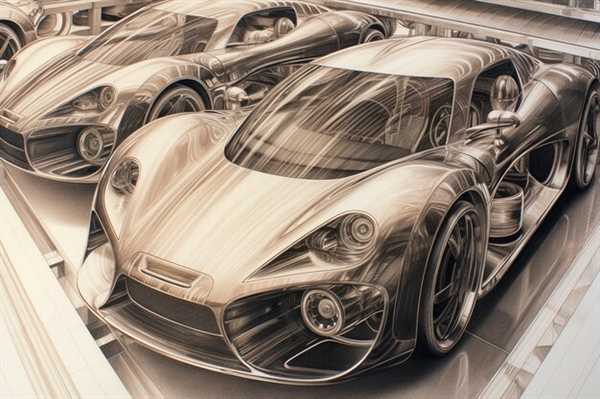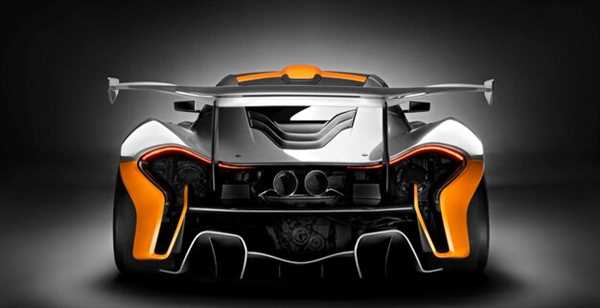
To appreciate the progression in vehicle construction, one must examine the dynamic relationship between racing and the evolution of modern cars. Iconic innovations seen in sports cars today can be traced back to high-speed competitions that pushed engineering boundaries. For instance, advancements in aerodynamics, materials, and safety features emerged directly from the rigorous demands of the racetrack.
Key systems like turbocharging and lightweight chassis, originally developed for competitive motors, are now standard in production models. The history of automotive performance has greatly benefited from collaborations between car manufacturers and racing teams, leading to technologies that offer not only speed but also enhanced efficiency and sustainability. Innovations such as active suspension systems and advanced braking mechanisms began as experimental technologies on the racing circuit, paving the way for their adoption in consumer vehicles.
Current vehicles bearing the marks of racing pedigree exhibit designs that balance performance with aesthetics. Sleek lines and aggressive stances echo the spirit of competition, capturing consumer interest while ensuring safety and functionality. Examining these connections reveals a rich narrative of how the challenges faced in races have shaped today’s automotive landscape in profound ways.
The Role of Aerodynamics in Race Car Evolution
Aerodynamic efficiency has been pivotal in the transformation of racing vehicles throughout history. Early models lacked sophisticated shapes, focusing instead on raw power and speed. The introduction of wind tunnel testing in the 1960s marked a significant shift, allowing designers to refine car forms for better airflow and reduced drag.
The iconic Porsche 917, with its sleek silhouette, exemplified the integration of aerodynamic principles in the 1970s. This vehicle achieved remarkable success, showcasing how optimizing air resistance can enhance performance, particularly at higher speeds. As teams realized the importance of downforce, the design elements evolved, incorporating spoilers and wings to improve grip on circuits.
By the 1980s, innovations peaked with cars like the McLaren MP4/4. Its low-profile design and efficient airflow management contributed to an unparalleled competitive edge, dominating that racing season. This era pushed manufacturers to adopt aerodynamic features in their commercial offerings, illustrating the direct correlation between race success and consumer automotive engineering.
The 1990s brought even more advanced materials and computational fluid dynamics (CFD) into the mix. Vehicles could now be modeled and tested virtually, leading to more intricate designs that addressed both drag and lift. Modern racing cars feature complex shapes with integrated elements, optimizing performance across diverse tracks.
Today, aerodynamics remains a focal point in car development, influencing everything from engine placement to body contours. Contemporary vehicles frequently borrow techniques honed in racing, highlighting the ongoing legacy of aerodynamics in shaping the future of automotive engineering. Adaptive aerodynamics, found in recent designs, indicates a shift towards dynamic modifications yielding enhanced performance based on driving conditions.
Materials and Technologies Adopted from Motorsport

Composite materials such as carbon fiber and Kevlar are widely utilized in high-performance vehicles. These materials significantly reduce weight while enhancing strength, leading to improved handling and acceleration. Their application has streamlined various car structures, making them more competitive on the track and appealing to consumers.
The introduction of titanium components in critical areas, like exhaust systems and engine parts, reflects a trend towards durability and lightweight solutions. This metal withstands high temperatures and stress, extending the lifespan of critical car elements.
Aerodynamic innovations have shifted from racetracks to public roads. Active aerodynamics, such as adjustable spoilers, enhance downforce and stability at high speeds. This technology, originally developed for racing, is now a common feature in performance-oriented consumer vehicles.
Advanced braking systems, including carbon-carbon and ceramic composite brakes, provide superior stopping power and heat resistance. These systems, first adopted in competitive settings, have trickled down into mainstream production models, offering consumers better safety and performance.
Telemetry and data acquisition technology allows for real-time monitoring of vehicle performance metrics. This advancement is becoming standard in consumer vehicles, enabling manufacturers to optimize tuning for engine performance, fuel efficiency, and dynamics based on comprehensive data.
Additionally, tire technology derived from racing has led to improvements in grip, durability, and performance. Advances in compounds and tread designs ensure that everyday cars can now handle various conditions with enhanced stability and control.
Integration of lightweight alloys has replaced heavier metal components, reducing overall mass and improving agility, crucial for enhancing responsiveness in everyday driving scenarios.
Design Aesthetics: From Track to Street Cars

The lineage of racing circuits notably shapes the appearance of personal vehicles. Manufacturers adopt aerodynamic forms inspired by race cars to enhance performance. Sleek profiles reduce drag, allowing greater efficiency on highways.
History shows that innovations such as rear wings and splitters, initially designed for speed on circuits, now grace the street models of premium brands. These elements not only serve a functional purpose but also press the boundaries of contemporary style.
Composite materials, once limited to competition vehicles, now feature prominently in consumer products. Carbon fiber components decrease weight while providing a modern aesthetic that appeals to enthusiasts. This shift toward lightweight construction aligns with safety and efficiency mandates, benefiting both sectors.
The cockpit design in race settings fosters advancements in user interfaces found in daily drivers. Centralized displays and intuitive controls allow drivers to focus on the task at hand while enhancing the feeling of control and sophistication.
Signature lighting solutions, developed for high-performance vehicles, have transitioned into broad market offerings. Iconic LED signatures not only elevate visibility at night but also contribute to distinguishing brand identity, turning everyday models into visual statements.
Colors and finishes seen on racetracks influence street-ready variants. Bold hues and matte finishes attract attention, catering to consumers seeking individuality in their purchases. This approach enhances the emotional connection between the driver and the vehicle.
Ultimately, elements from competitive environments drive creativity in conventional car production, merging performance and appeal in a compelling narrative that resonates with both racers and everyday users alike.