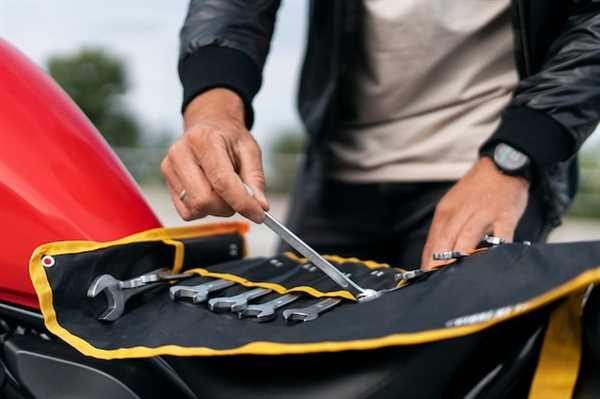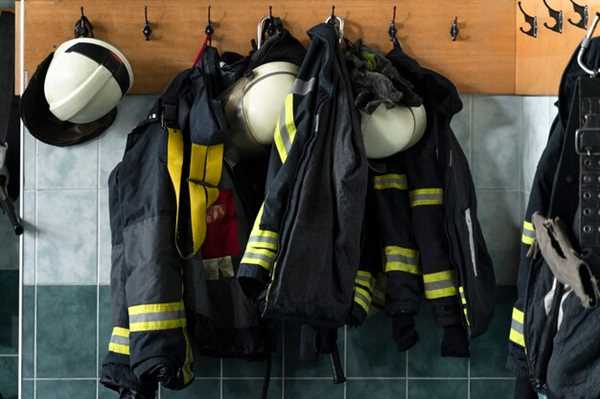
Establishing a rigorous protocol for vehicle inspections is paramount for any racing gathering. Conduct thorough examinations of brakes, tires, and safety equipment before each competition to eliminate potential hazards. Each driver should be required to verify their personal gear, including helmets and suits, prioritizing the right certifications to meet regulatory standards.
Implementing a detailed assessment of the track layout is equally important. Identify any areas that may pose risks, such as uneven surfaces or tight corners. Designing effective escape routes and ensuring proper signage can significantly reduce the likelihood of unintended incidents.
Engaging professional marshals trained to respond swiftly to emergencies adds another layer of preparedness. Their presence not only reassures participants but also builds a structured response plan for any unforeseen situations. Regular drills can enhance their readiness and effectiveness during real events.
Finally, fostering open communication among teams, drivers, and officials can greatly improve overall awareness throughout the competition. Regular briefings before races can keep everyone informed about potential challenges and ensure a cohesive approach to risk management.
Pre-Event Safety Inspections for Race Cars
Conduct a thorough examination of the brake system. Check fluid levels, pads, rotors, and calipers to confirm optimal performance and reliability on the track.
Inspect tire condition by assessing tread depth, pressure, and signs of wear. Ensure all tires meet the specifications required for the competition surface.
Review suspension components including shocks, struts, and bushings for signs of damage or excessive wear to maintain stability during turns.
Evaluate the fuel system for leaks, secure connections, and the integrity of the fuel tank. Address any potential hazards before the race begins.
Examine the electrical system for loose connections, worn wires, and the functionality of critical components such as lights and ignition systems.
Validate bodywork and aerodynamics. Ensure all panels are securely attached and no sharp edges pose a risk to drivers or other competitors.
Test safety gear, including seat belts, helmets, and roll cages. Confirm all items meet required standards for the class of racing.
Check for the presence of essential fire extinguishing systems and confirm they are fully operational. Accessibility and effectiveness are paramount in case of emergencies.
Emergency Response Protocols During Motorsport Events
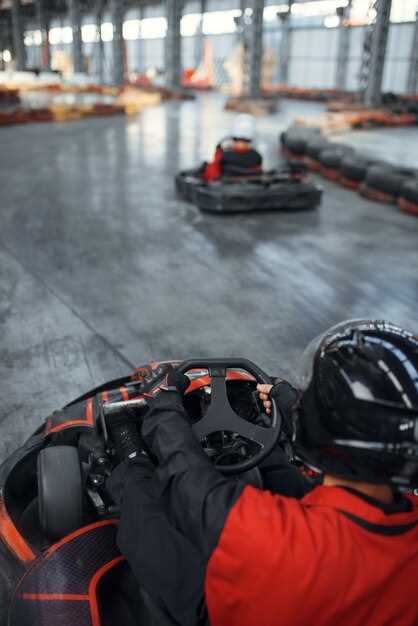
Establish a dedicated medical team stationed at strategic points across the circuit, ensuring rapid access to injured individuals.
Implement a clear communication system for marshals and medics, utilizing radios or headsets to relay critical information immediately.
Conduct regular drills simulating various accident scenarios to prepare personnel for swift action when real situations arise.
Designate specific evacuation routes and points for air and ground transport, ensuring all emergency responders are familiar with these plans.
Equip response teams with necessary tools and supplies, including stretchers, first aid kits, and fire extinguishers, tailored to potential incidents in the competition.
Establish a command center equipped with monitors for real-time tracking of on-track activity and incidents, facilitating coordinated responses.
- Ensure all personnel receive comprehensive training on emergency procedures and equipment usage.
- Test and update protocols regularly to account for new machinery and race types.
- Collaborate with local emergency services to align on procedures and response times.
Create a protocol for post-incident assessment, including documentation and analysis of responses to enhance future preparedness in unforeseen circumstances.
Post-Event Vehicle and Track Safety Assessments

Conduct a thorough examination of all vehicles after a competitive outing. This includes inspecting the chassis, suspension, brakes, and engine components. Document any wear and tear that may impact future performances.
Prioritize the review of safety equipment, including harnesses, helmets, and cockpit barriers. Replace any items that show signs of degradation, ensuring compliance with regulations.
Inspect the track thoroughly for any damage caused during the competition. Look for cracks, surface degradation, and debris that could affect the next round of activities. Address any issues immediately before the next session.
Collect data from various sensors used during the event. Analyze telemetry records to identify high-stress points and potential failures. Use this information as feedback for design improvements and operational adjustments.
Incorporate feedback from drivers and team members regarding their experiences on the track. Document their insights to facilitate necessary modifications for enhanced performance and reliability in future races.
Schedule regular debrief meetings with all stakeholders to review findings and implement changes. Establish a routine assessment protocol to maintain high standards of vehicle readiness and track conditions.