
For automotive engineering enthusiasts, the integration of ultra-light components is revolutionizing high-performance racing machines. These advancements not only enhance speed and agility but also contribute to fuel efficiency, making them a preferred choice among leading teams. Carbon fiber, titanium alloys, and advanced polymers are reshaping the construction of competitive vehicles, rendering them faster without compromising structural integrity.
Teams should prioritize the adoption of these cutting-edge composites. For instance, carbon fiber offers significant weight reduction while maintaining unparalleled strength, resulting in improved acceleration and handling. Switching to titanium components can also yield substantial gains in performance, as they provide durability with much less mass compared to traditional steel. Such strategic choices in vehicle composition ensure that racing teams stay ahead of the curve.
The pursuit of next-gen automotive excellence hinges on meticulous attention to material selection. Utilizing advanced composites not only reduces the overall weight of the vehicle but also enhances its aerodynamic properties. Implementing these techniques will ensure that vehicles remain competitive in various racing disciplines, pushing the envelope of what’s possible on the track.
Impact of Carbon Fiber on Vehicle Weight Reduction
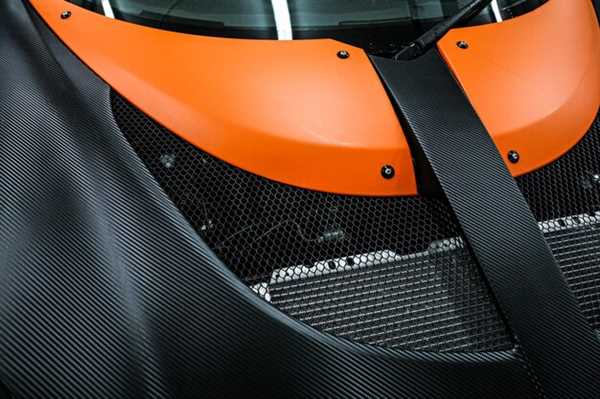
Incorporating carbon fiber significantly decreases the overall mass of a vehicle, enhancing performance and efficiency. This composite material boasts an impressive strength-to-weight ratio, allowing manufacturers to replace heavier components without compromising structural integrity.
For example, carbon fiber-reinforced components such as body panels, chassis, and suspension parts can reduce weight by up to 50% compared to traditional steel alternatives. This reduction contributes to improved acceleration and braking, leading to quicker lap times on the track.
Additionally, the decreased mass results in enhanced fuel efficiency and better handling dynamics. The lower center of gravity achieved with carbon fiber applications improves stability during high-speed maneuvers, offering drivers greater control.
In competitive settings, the minimized weight translates to not only faster speeds but also reduced tire wear, influencing the overall cost-effectiveness of racing strategies. Therefore, investing in carbon fiber technology is a strategic move for teams looking to optimize their performance.
Applications of Aluminum Alloys in High-Performance Racing

Implementing aluminum alloys in competitive racing components significantly enhances performance. The alloy 6061, known for its excellent strength-to-weight ratio, is frequently utilized in the fabrication of chassis and suspension parts, providing stability while reducing mass.
Another commonly used alloy, 7075, finds its place in structural elements like roll cages and body panels. Its increased strength contributes to safety without compromising speed, making it ideal for high-stakes environments.
In the engine department, aluminum alloy pistons are favored for their ability to withstand high temperatures while maintaining a low weight. This adaptation leads to improved fuel efficiency and quicker throttle response, essential for achieving peak performance on the track.
The use of aluminum in wheels offers substantial benefits as well. Racing teams often select forged aluminum wheels, which facilitate better handling and acceleration due to their reduced weight compared to traditional steel alternatives.
Additional applications include the utilization of aluminum in brake components, such as calipers and rotors, which enhance heat dissipation and reduce unsprung weight. This significantly improves braking performance, crucial in competitive scenarios.
In summary, deploying aluminum alloys across various high-performance components allows racing teams to refine their vehicles, optimizing both speed and efficiency while adhering to safety standards.
Future Trends in Composite Materials for Motorsport Engineering
Enhanced performance will increasingly come from incorporating advanced carbon fiber structures that offer superior stiffness and weight reduction. Automotive engineers should focus on hybrid composites that integrate various fibers, allowing tailored properties for specific components, enhancing their overall strength while minimizing mass.
The adoption of bio-based resins presents a significant opportunity. These eco-friendly alternatives not only provide sustainability but can lead to lighter components without compromising durability or safety standards. Research into their mechanical properties will guide manufacturers toward optimized formulations suitable for high-stress environments.
3D printing technology will become commonplace in fabricating high-performance elements. This method enables rapid prototyping and precise geometries, reducing waste and labor costs. Engineers should explore new printing materials that withstand extreme conditions while remaining lightweight.
Smart composites with embedded sensors will enhance real-time data collection, enabling proactive maintenance and performance tuning. Future developments should focus on integrating these smart technologies seamlessly into the existing design frameworks for better responsiveness on track.
Recycling and circular economy principles will reshape sourcing strategies. Companies must invest in closed-loop systems that allow for the recovery and reuse of these sophisticated substances, pushing the limits of what was previously deemed sustainable in production processes.